

Introduction
Antarctica is one of the most fascinating and mysterious places on Earth. Covered almost entirely by ice, this frozen continent captures the imagination of scientists, explorers, travelers, and nature enthusiasts worldwide. Known as the coldest, driest, and windiest continent, Antarctica remains largely untouched by human civilization, making it one of the planet’s last true wilderness regions.
Despite its harsh environment, Antarctica plays a critical role in Earth’s climate system, ocean circulation, and scientific research. Massive glaciers, breathtaking icebergs, rare wildlife species, and hidden ecosystems make the continent both beautiful and scientifically valuable. From penguin colonies and marine life to climate studies and international cooperation, Antarctica continues attracting global attention for many reasons.
This comprehensive guide explores Antarctica’s geography, climate, wildlife, scientific importance, exploration history, and environmental challenges while uncovering why this frozen continent remains one of Earth’s most extraordinary destinations.
Geography and Natural Landscape of Antarctica
Antarctica is the fifth-largest continent on Earth and is located around the South Pole. The continent is surrounded by the Southern Ocean and remains isolated from the rest of the world by extreme weather conditions and vast icy waters. Nearly 98 percent of Antarctica is covered by a thick ice sheet, making it the coldest region on the planet.
The landscape of Antarctica is unlike any other place on Earth. Massive glaciers, frozen mountains, endless snowfields, and towering icebergs dominate the environment. Some ice formations are so enormous that they can be seen from space. These natural features create a dramatic and breathtaking landscape that fascinates scientists and explorers alike.
One of Antarctica’s most remarkable geographical features is its ice sheet. This giant layer of ice contains around 70 percent of the world’s fresh water. If all Antarctic ice were to melt completely, global sea levels would rise dramatically, affecting coastal cities worldwide. Because of this, Antarctica plays a major role in discussions about climate change and environmental protection.
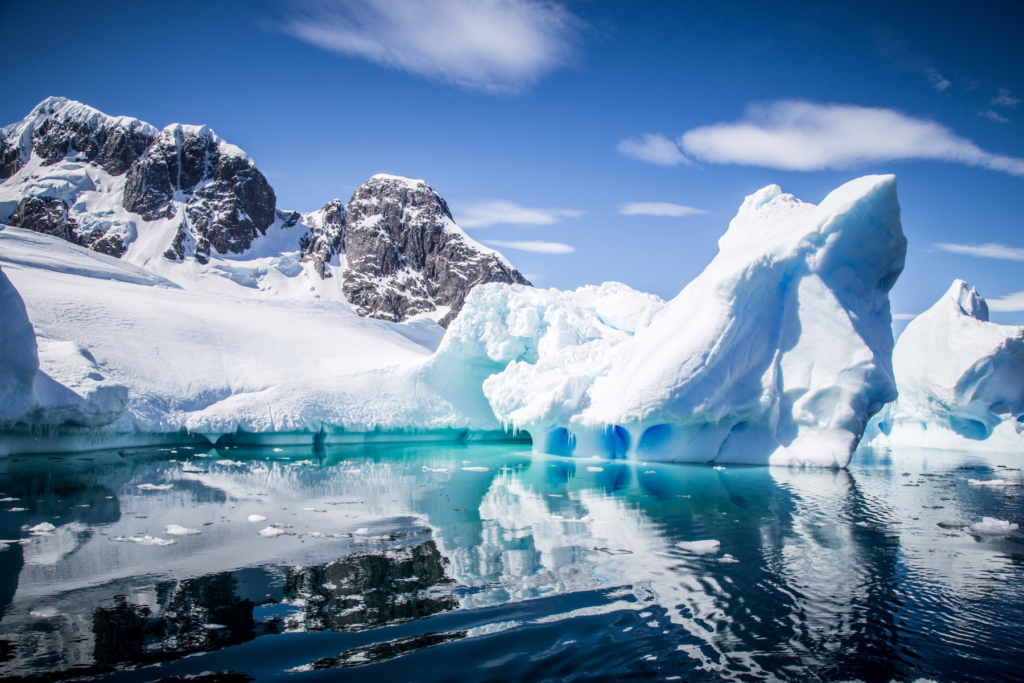
The continent is divided into East Antarctica and West Antarctica, separated by the Transantarctic Mountains. East Antarctica is generally larger and more stable, while West Antarctica has become an important focus for climate scientists studying melting glaciers and rising sea levels.
Volcanoes also exist in Antarctica, including Mount Erebus, one of the southernmost active volcanoes in the world. Beneath the thick ice, scientists have discovered hidden lakes, mountain ranges, and ancient geological structures that reveal valuable information about Earth’s history.
Despite its frozen appearance, Antarctica contains unique ecosystems and hidden biodiversity. Certain microorganisms survive beneath the ice in extremely cold conditions, providing researchers with insights into how life can adapt to harsh environments. These discoveries even help scientists study the possibility of life on other planets.
Climate and Weather Conditions in Antarctica
Antarctica is famous for having the harshest climate on Earth. Temperatures in some regions can drop below minus 80 degrees Celsius during winter, making survival extremely difficult for humans and animals alike. Strong winds and severe snowstorms further increase the continent’s challenging conditions.
The continent is considered a polar desert because it receives very little precipitation. Most areas experience extremely low humidity and limited snowfall compared to other cold regions. However, the snow that does fall accumulates over thousands of years, forming the massive ice sheets covering the continent today.
One of the most unique aspects of Antarctica’s climate is its seasonal sunlight pattern. During summer months, certain areas experience nearly 24 hours of daylight, while winter brings months of complete darkness. These extreme light conditions affect both wildlife behavior and scientific operations across the continent.
Antarctica’s climate significantly influences global weather systems and ocean currents. Cold Antarctic waters help regulate Earth’s temperature by interacting with warmer ocean currents from other regions. Scientists closely monitor changes in Antarctic ice because these shifts can impact weather patterns worldwide.
Climate change has become one of the biggest concerns related to Antarctica. Rising global temperatures contribute to melting glaciers, shrinking ice shelves, and changes in sea ice formation. Scientists continue studying these developments to understand their long-term effects on global sea levels and ecosystems.
Certain parts of Antarctica are warming faster than others, especially the Antarctic Peninsula. Ice shelf collapses and glacier retreat have become major environmental concerns because they indicate significant climate changes occurring in polar regions.
The continent’s extreme environment also provides valuable research opportunities. Antarctica allows scientists to study atmospheric conditions, ice core records, and ancient climate patterns preserved within the ice. These findings help researchers better understand Earth’s environmental history and predict future climate trends.
Wildlife and Marine Life in Antarctica
Although Antarctica appears frozen and lifeless at first glance, it supports a surprisingly rich variety of wildlife. Many species have adapted to survive in the continent’s harsh conditions, making Antarctica one of the world’s most unique ecosystems.
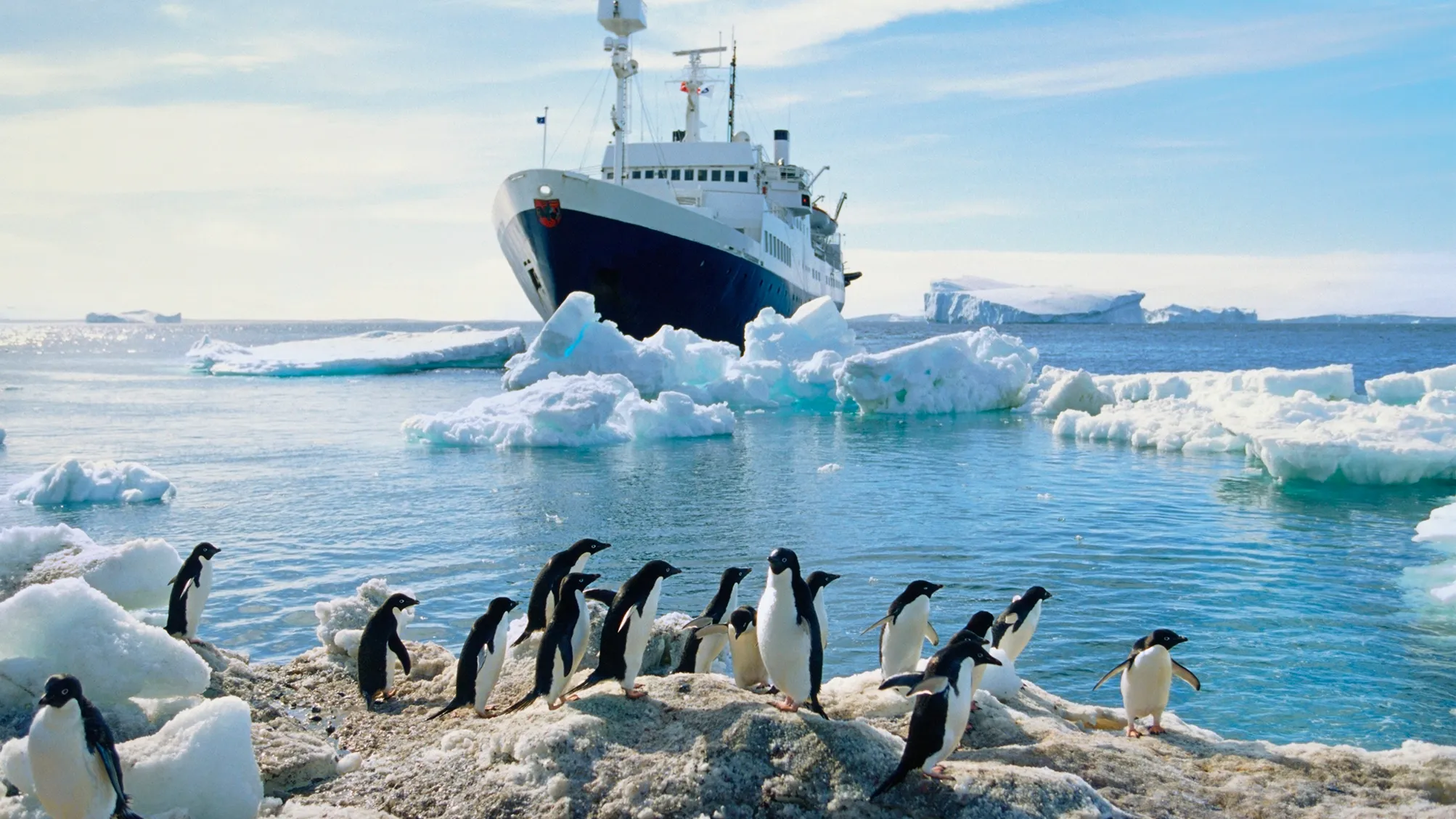
Penguins are among Antarctica’s most famous animals. Species such as Emperor Penguins and Adélie Penguins thrive in the icy environment and have become global symbols of the continent. Their ability to survive freezing temperatures and harsh winds fascinates both scientists and nature lovers.
Seals also play a major role in Antarctic ecosystems. Leopard seals, Weddell seals, and elephant seals inhabit the continent’s coastal areas and surrounding waters. These marine mammals rely heavily on sea ice for resting, breeding, and hunting opportunities.
Whales are another important part of Antarctic marine life. Species including humpback whales, blue whales, and orcas migrate to Antarctic waters to feed on krill during warmer months. Krill, tiny shrimp-like creatures, form the foundation of the Antarctic food chain and support many marine species.
Birdlife in Antarctica extends beyond penguins. Seabirds such as albatrosses, petrels, and skuas inhabit coastal regions and nearby islands. These birds are specially adapted for long-distance travel and harsh ocean conditions.
The Southern Ocean surrounding Antarctica contains incredibly productive marine ecosystems. Cold nutrient-rich waters support diverse forms of life, making the region biologically important for global ocean health. Scientists study these ecosystems to better understand biodiversity and climate interactions.
Wildlife conservation has become increasingly important in Antarctica due to environmental changes and human activities. International agreements aim to protect marine species, regulate tourism, and limit environmental damage. Preserving Antarctica’s ecosystems remains essential for maintaining global biodiversity and environmental balance.
Scientific Research and Exploration in Antarctica
Antarctica has become one of the world’s most important locations for scientific research. Countries from around the globe operate research stations on the continent, studying everything from climate change and astronomy to biology and geology.
Scientific exploration in Antarctica began during the heroic age of polar exploration in the late nineteenth and early twentieth centuries. Famous explorers such as Roald Amundsen, Robert Falcon Scott, and Ernest Shackleton became legendary figures because of their dangerous expeditions across the frozen continent.
Modern Antarctic research focuses heavily on climate science. Ice cores drilled from deep within glaciers contain ancient air bubbles that provide records of Earth’s atmosphere going back hundreds of thousands of years. These discoveries help scientists understand historical climate changes and greenhouse gas levels.
Astronomy research also benefits from Antarctica’s environment. The continent’s cold, dry air creates ideal conditions for observing space. Scientists use Antarctic observatories to study stars, cosmic radiation, and distant galaxies with exceptional clarity.
Medical and biological studies conducted in Antarctica provide insights into human survival in extreme conditions. Researchers examine how isolation, cold temperatures, and limited sunlight affect physical and mental health. These studies are valuable for future space exploration missions.
International cooperation remains a defining feature of Antarctic science. The Antarctic Treaty System ensures the continent is used primarily for peaceful research purposes. Multiple nations collaborate on scientific projects while avoiding military conflict and territorial disputes.
Technological innovation has transformed Antarctic exploration over time. Modern equipment, satellites, drones, and advanced research tools allow scientists to study areas previously inaccessible due to harsh conditions. These advancements continue expanding human understanding of Antarctica’s environment and global significance.
Environmental Challenges and the Future of Antarctica
Antarctica faces several major environmental challenges that could affect not only the continent itself but also the entire planet. Climate change, ice melting, and increasing human activity have raised concerns among scientists and environmental organizations worldwide.
One of the biggest threats involves rising global temperatures. As polar ice melts, sea levels increase, threatening coastal communities around the world. Scientists closely monitor Antarctic glaciers because even small changes in ice stability can produce significant global consequences.
Ocean warming also affects Antarctic ecosystems. Changes in sea temperature influence krill populations, marine biodiversity, and food chains throughout the Southern Ocean. These disruptions could impact whales, penguins, seals, and other species dependent on stable marine conditions.
Tourism in Antarctica has grown significantly over recent decades. While tourism increases awareness about the continent’s beauty and environmental importance, it also creates risks such as pollution, wildlife disturbance, and ecosystem damage. Strict regulations are necessary to minimize environmental impact.
Another environmental concern involves microplastics and pollution reaching Antarctic waters. Even though Antarctica remains remote, global pollution affects ocean currents and marine ecosystems. Researchers continue studying how contaminants spread into polar environments.
Conservation efforts play a vital role in protecting Antarctica’s future. International agreements regulate fishing, scientific research, waste management, and environmental preservation. Protected marine areas help safeguard biodiversity and fragile ecosystems from excessive human interference.
The future of Antarctica depends heavily on global climate policies and international cooperation. Scientists warn that preserving polar ice is essential for maintaining Earth’s environmental balance. Reducing greenhouse gas emissions and supporting sustainable environmental practices remain critical for protecting this extraordinary continent.
Despite these challenges, Antarctica continues inspiring people worldwide. Its untouched beauty, scientific value, and ecological importance remind humanity of the need to protect Earth’s most fragile environments for future generations.
FAQs About Antarctica
1. What is Antarctica?
Antarctica is Earth’s southernmost continent, covered mostly by ice and surrounded by the Southern Ocean.
2. Why is Antarctica important?
It plays a major role in climate regulation, scientific research, and global sea level stability.
3. Is Antarctica the coldest place on Earth?
Yes, Antarctica holds the record for the coldest temperatures ever recorded on Earth.
4. Are there people living in Antarctica?
There are no permanent residents, but scientists and researchers stay temporarily at research stations.
5. What animals live in Antarctica?
Penguins, seals, whales, seabirds, and various marine species inhabit Antarctica and nearby waters.
6. Can tourists visit Antarctica?
Yes, tourists can visit Antarctica through specialized expedition cruises and guided tours.
7. Why is Antarctic ice important?
Antarctic ice stores most of Earth’s freshwater and affects global sea levels.
8. What is the Antarctic Treaty?
It is an international agreement that protects Antarctica for peaceful scientific research purposes.
9. Is climate change affecting Antarctica?
Yes, rising temperatures are causing glacier melting and environmental changes across the continent.
10. What makes Antarctica unique?
Its extreme climate, untouched landscapes, rare wildlife, and scientific importance make it one of the world’s most unique regions.
Conclusion
Antarctica remains one of the most extraordinary places on Earth, combining breathtaking natural beauty with immense scientific importance. From massive glaciers and unique wildlife to groundbreaking climate research and international cooperation, the frozen continent continues fascinating explorers, scientists, and travelers alike.
Its role in regulating global climate, preserving freshwater resources, and supporting marine ecosystems makes Antarctica essential for the planet’s future. As environmental challenges continue growing, understanding and protecting Antarctica has become more important than ever before.
Whether admired for its mysterious landscapes, remarkable wildlife, or scientific discoveries, Antarctica stands as a powerful reminder of Earth’s natural wonders and the importance of global environmental responsibility.
