

Introduction
Omar Bin Laden is a name that has attracted worldwide attention for decades. As one of the sons of Osama bin Laden, the founder of al-Qaeda, Omar’s life has been shaped by a complex family history, global political events, and public curiosity. Unlike his father, Omar Bin Laden has often spoken about peace, distancing himself from extremist ideologies and emphasizing the importance of understanding rather than conflict.
The story of Omar Bin Laden is not merely about his connection to one of the most infamous figures in modern history. It is also a story of identity, personal choices, family relationships, and the challenges of living under the shadow of a controversial legacy. Throughout the years, he has shared insights about his upbringing, his experiences in Afghanistan and Sudan, and his efforts to create a life separate from the image associated with his family name.
This article explores Omar Bin Laden’s life in depth, examining his childhood, family background, public appearances, personal beliefs, and the impact he has had on discussions about extremism, reconciliation, and peace.
Omar Bin Laden’s Early Life and Family Background
Omar Bin Laden was born in Saudi Arabia and spent much of his childhood within the large Bin Laden family. Osama bin Laden had numerous children, and Omar grew up in an environment that was both privileged and deeply influenced by his father’s evolving political and religious views. During his early years, Omar experienced a lifestyle that differed significantly from the harsh conditions he would later encounter.
As a child, Omar witnessed major changes in his family’s circumstances. When Osama bin Laden became increasingly involved in militant activities, the family moved between countries, including Sudan and Afghanistan. These relocations exposed Omar to different cultures and living conditions while also placing him closer to the center of political events that would eventually capture global attention.
Growing up, Omar reportedly developed a strong bond with his father, yet he also observed the difficult realities of life within militant camps. The challenges of constant movement, limited stability, and exposure to conflict influenced his outlook on life. Many accounts suggest that these experiences contributed to his later decision to distance himself from violence and pursue a different path.
The family dynamics surrounding Omar Bin Laden were often complicated. Being part of a globally recognized family brought unique pressures and responsibilities. Even after leaving his father’s circle, Omar continued to face public scrutiny due to the Bin Laden surname, making it difficult to separate his personal identity from his family’s history.
Omar Bin Laden’s Relationship with Osama Bin Laden
One of the most discussed aspects of Omar Bin Laden’s life is his relationship with his father. Unlike many public perceptions, Omar has described a relationship that included affection, guidance, and family bonds alongside significant ideological differences. His experiences provide a rare perspective on the private side of a man who became known worldwide for terrorism and extremism.
According to various interviews and memoirs, Omar accompanied his father during portions of his youth. He observed Osama bin Laden’s leadership style, daily routines, and interactions with family members. These firsthand experiences allowed Omar to develop a nuanced understanding of his father that differed from the public image portrayed in international media.
As Omar grew older, he reportedly became uncomfortable with the violence and hardships associated with militant life. He expressed concerns about warfare and the risks faced by family members living in conflict zones. These concerns eventually contributed to his decision to leave his father’s environment and seek a more peaceful future.
The separation between Omar Bin Laden and his father represented a significant turning point in his life. While he maintained respect for the family bond, he increasingly rejected the violent ideology associated with al-Qaeda. This distinction became a central theme in his public statements and helped shape his reputation as someone seeking reconciliation rather than conflict.
Omar Bin Laden’s Public Life and Advocacy for Peace
Following his departure from his father’s circle, Omar Bin Laden gradually emerged as a public figure in his own right. His interviews attracted international attention because they offered unique insights into the personal world of the Bin Laden family. Journalists, researchers, and readers around the world sought to understand his perspective on terrorism, family loyalty, and global conflict.
One of the defining features of Omar’s public image has been his advocacy for peace. In various statements, he emphasized the devastating human cost of war and highlighted the importance of dialogue. His experiences growing up in conflict environments gave him a unique voice in discussions about violence and its long-term consequences.
Omar’s public appearances often focused on themes of understanding and coexistence. Rather than promoting political agendas, he frequently spoke about personal experiences and lessons learned from witnessing conflict firsthand. These messages resonated with audiences interested in exploring alternatives to extremism and hatred.
The media’s fascination with Omar Bin Laden also stemmed from the contrast between his public stance and his father’s legacy. While the Bin Laden name remained controversial, Omar worked to establish an independent identity. Through interviews, books, and public discussions, he consistently emphasized his desire to contribute to peace-oriented conversations rather than ideological battles.
Omar Bin Laden’s Marriage and International Attention
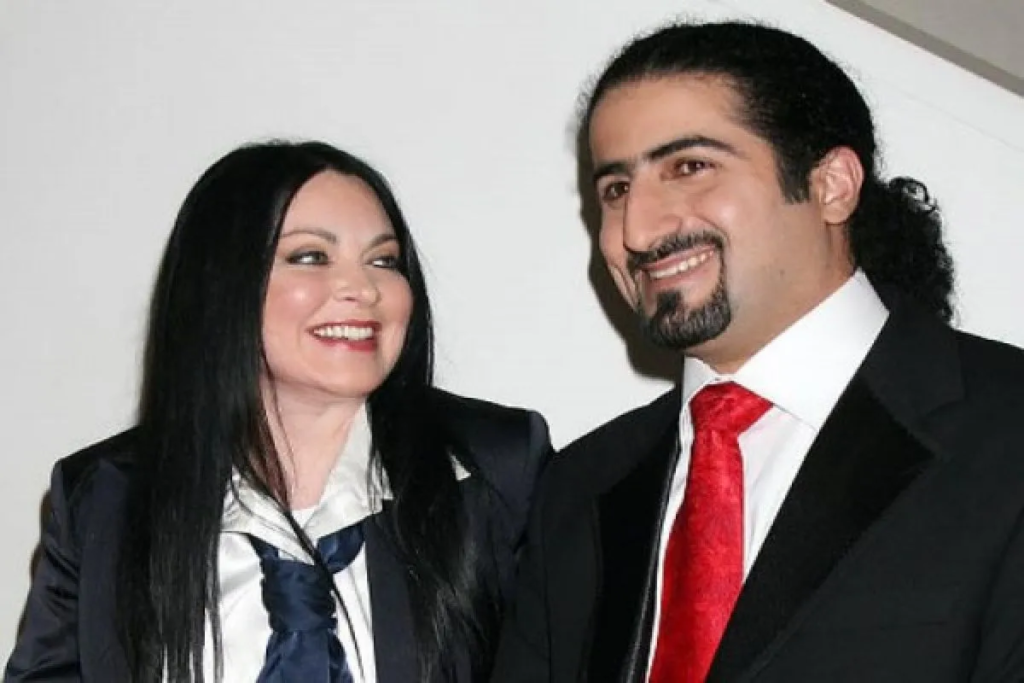
Omar Bin Laden gained additional media attention due to his marriage to British citizen Jane Felix-Browne, who later became known as Zaina Mohammed after converting to Islam. Their relationship attracted significant international coverage because of the unusual circumstances surrounding their backgrounds and the public interest associated with Omar’s family name.
The couple’s story generated headlines across Europe, the Middle East, and North America. Media outlets often portrayed their relationship as an unexpected union that challenged stereotypes and encouraged conversations about cultural differences. Their marriage brought Omar into the spotlight beyond discussions of terrorism and family history.
Despite the public interest, the couple faced numerous challenges, including immigration issues and media scrutiny. Some countries reportedly denied Omar entry permits due to concerns related to his family background. These obstacles highlighted the ongoing difficulties associated with carrying the Bin Laden surname, even when attempting to build a peaceful and private life.
Their relationship also revealed another side of Omar Bin Laden’s personality. Interviews often depicted him as a husband seeking stability, companionship, and normalcy. While public curiosity remained intense, Omar repeatedly emphasized his desire to move beyond the controversies of the past and focus on his personal future.
The Legacy and Global Perception of Omar Bin Laden
The legacy of Omar Bin Laden remains a subject of considerable interest. For many people, he represents an individual attempting to navigate the burden of a globally recognized family name. His life raises important questions about identity, personal responsibility, and the extent to which individuals should be judged based on the actions of their relatives.
Public perceptions of Omar vary widely. Some view him primarily through the lens of his family history, while others focus on his efforts to distance himself from extremism. His interviews and public statements have contributed to ongoing debates about rehabilitation, forgiveness, and the possibility of creating a new path despite a difficult legacy.
Researchers and historians often regard Omar Bin Laden as a valuable source of information about the personal dimensions of life within the Bin Laden family. His accounts provide insights into family relationships, daily routines, and the experiences of children raised in politically charged environments. These perspectives add depth to historical discussions surrounding terrorism and global security.
As time passes, Omar Bin Laden’s story continues to evolve. Rather than being defined solely by his father’s actions, he has sought to establish his own identity through public engagement, advocacy, and personal reflection. His journey illustrates the complex relationship between family heritage and individual choice.
Conclusion
Omar Bin Laden occupies a unique place in modern history. As the son of Osama bin Laden, he inherited a name associated with one of the most controversial figures of the twenty-first century. Yet his life story demonstrates that personal identity is often more complex than public assumptions.
From his childhood in Saudi Arabia, Sudan, and Afghanistan to his public advocacy for peace and understanding, Omar Bin Laden has consistently sought to distinguish his own beliefs from the violent ideology linked to his father. His experiences offer valuable insights into the challenges of family legacy, personal transformation, and the pursuit of a different future.
While public fascination with the Bin Laden family is unlikely to disappear, Omar’s story serves as a reminder that individuals can make choices that diverge significantly from the paths set before them. His life continues to be an important example of resilience, self-definition, and the search for peace in the shadow of history.
