


Introduction
57 Seconds is one of the most intriguing science-fiction thrillers to emerge in recent years. Combining elements of time travel, corporate conspiracy, revenge, and technological innovation, the film captures viewers’ attention from the very beginning. Based on a compelling short story concept, the movie explores what might happen if someone discovered a way to travel just under a minute into the past.
The idea behind 57 Seconds is both simple and fascinating. What would you do if you could reverse time by exactly fifty-seven seconds? Could you prevent mistakes, alter outcomes, or even change your destiny? The film dives deep into these questions while delivering an engaging narrative packed with suspense and action. Whether you are a fan of science fiction, psychological thrillers, or stories about the consequences of power, 57 Seconds offers plenty to analyze and enjoy.
The Story Behind 57 Seconds and Its Unique Time-Travel Concept
One of the most captivating aspects of 57 Seconds is its innovative approach to time travel. Unlike many movies that involve traveling years or centuries into the past, this film focuses on a very limited time frame. The protagonist gains access to a mysterious device that allows him to move exactly fifty-seven seconds backward in time. While this may seem like a small advantage, the movie demonstrates how even a minute change can have significant consequences.
This limited form of time travel creates a sense of realism and tension. Because the protagonist cannot make massive alterations to history, every decision becomes critical. A few seconds can determine whether a conversation succeeds, a dangerous event is avoided, or a crucial opportunity is seized. The film cleverly uses this concept to keep viewers engaged while avoiding some of the common paradoxes associated with traditional time-travel stories.
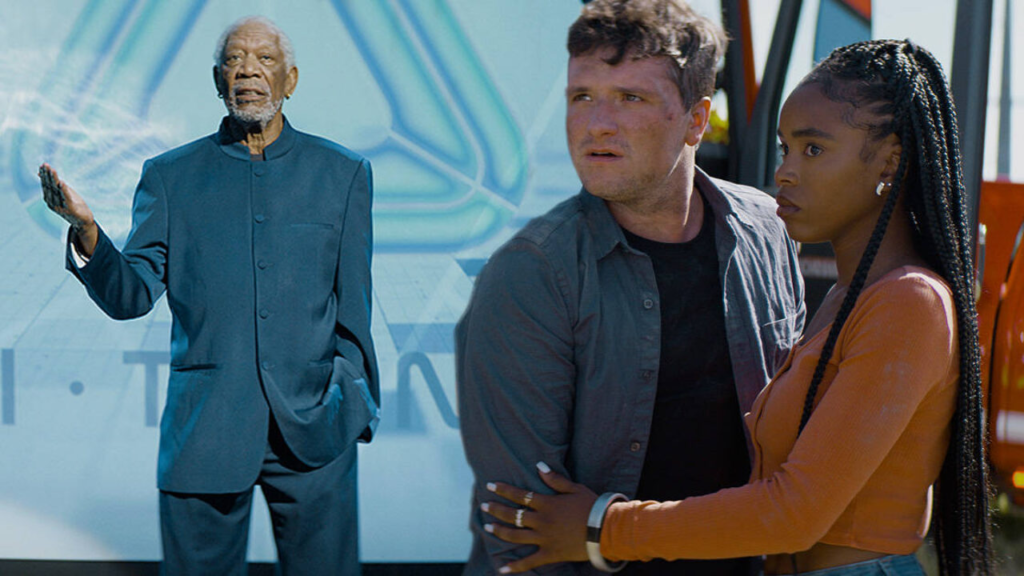
The movie’s premise is inspired by broader questions about human behavior and decision-making. People often wish they could undo mistakes or rethink choices. 57 Seconds transforms that everyday desire into a thrilling cinematic experience. By restricting the amount of time that can be reversed, the film forces its characters to think strategically, making every second matter.
Furthermore, the storytelling demonstrates how technology can become both a gift and a curse. The protagonist initially sees the device as a solution to his problems, but the consequences soon become more complicated. This tension forms the foundation of the movie’s narrative and keeps audiences invested until the final scene.
Main Characters and Performances in 57 Seconds

A major reason for the success of 57 Seconds is its strong cast and memorable performances. The story revolves around a journalist who unexpectedly gains possession of the time-altering device. His journey from an ordinary individual to someone capable of manipulating events forms the emotional core of the movie.
The protagonist is portrayed as relatable and ambitious. His motivations are understandable, making it easy for viewers to connect with his choices, even when they become morally questionable. As the story progresses, the audience witnesses his transformation as he struggles with the responsibilities that come with extraordinary power.
Another significant character is the influential technology entrepreneur whose invention makes the entire plot possible. This character represents innovation, ambition, and the ethical challenges associated with advanced technology. The interactions between the journalist and the tech visionary add depth to the narrative and create some of the movie’s most compelling moments.
Supporting characters also play important roles in shaping the story. Friends, rivals, and corporate figures contribute to the protagonist’s journey while highlighting different perspectives on power and accountability. Their presence helps create a rich and layered narrative that extends beyond the central time-travel concept.
The performances throughout 57 Seconds effectively balance emotional drama with science-fiction excitement. The actors bring credibility to the story, helping audiences accept the unusual premise and remain emotionally invested in the outcome.
Themes of Revenge, Power, and Responsibility in 57 Seconds
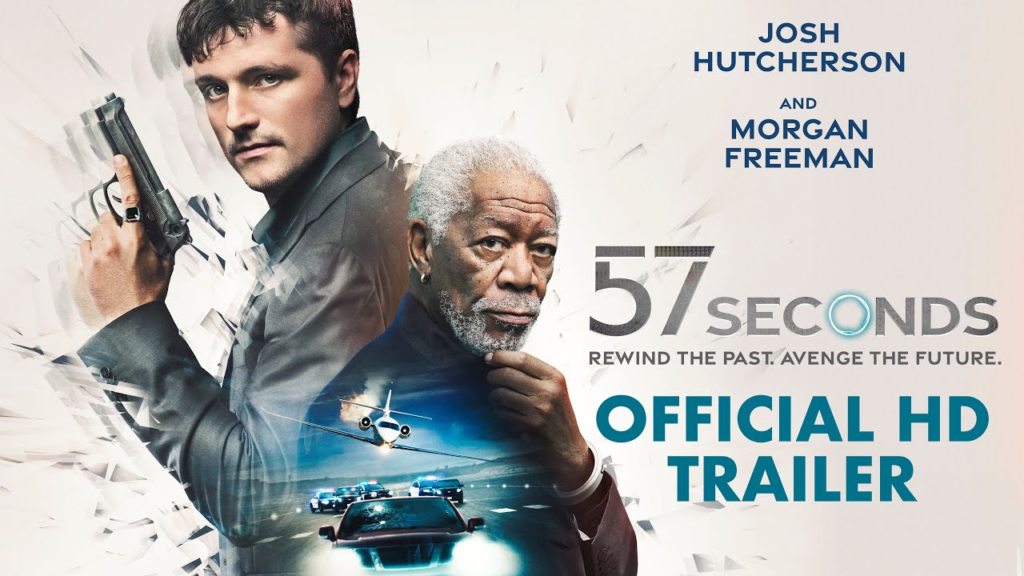
Beyond its science-fiction elements, 57 Seconds explores several deeper themes that resonate with audiences. One of the most prominent themes is revenge. The protagonist uses his newfound ability to pursue personal justice against individuals and organizations he believes are responsible for past suffering. This quest for revenge drives much of the film’s conflict and raises important ethical questions.
The movie examines whether the pursuit of revenge truly leads to satisfaction. As the protagonist gains greater control over events, he discovers that altering outcomes does not necessarily eliminate emotional pain. This realization adds complexity to the story and encourages viewers to think critically about the consequences of their actions.
Power is another central theme. The ability to reverse time, even briefly, gives the protagonist an extraordinary advantage over others. The film illustrates how power can influence decision-making and test personal values. Initially, the protagonist uses the device for seemingly justified reasons, but over time the temptation to exploit it becomes increasingly difficult to resist.
Responsibility is closely connected to power throughout the narrative. The movie repeatedly asks whether individuals who possess unique abilities have a moral obligation to use them wisely. This theme reflects broader discussions about technological innovation in the real world. Just because something can be done does not necessarily mean it should be done.
By addressing these themes, 57 Seconds transcends the boundaries of a typical thriller. It becomes a thoughtful exploration of human nature, ambition, and morality, making it appealing to audiences who enjoy stories with deeper meaning.
Cinematic Style, Visual Effects, and Direction

The visual presentation of 57 Seconds plays a crucial role in bringing its concept to life. Time-travel stories often rely heavily on special effects, but this film takes a more measured approach. Rather than overwhelming viewers with spectacle, the movie focuses on creating a believable world where the extraordinary feels possible.
The visual effects are designed to support the story rather than dominate it. Moments involving the reversal of time are handled with clarity and precision, helping audiences understand exactly what is happening. This approach keeps the focus on character development and narrative tension rather than purely visual excitement.
The cinematography contributes significantly to the film’s atmosphere. Strategic camera angles, lighting choices, and pacing create a sense of urgency that aligns perfectly with the time-sensitive nature of the story. Every scene feels purposeful, reinforcing the idea that even a few seconds can make a major difference.
The director successfully balances action, suspense, and emotional storytelling. Instead of relying solely on futuristic concepts, the film emphasizes human experiences and relationships. This balance allows 57 Seconds to appeal to a wide audience, including viewers who may not typically watch science-fiction films.
Additionally, the editing deserves recognition. Because the plot involves repeated moments and altered timelines, the editing team faced the challenge of maintaining clarity while preserving suspense. Their work ensures that audiences can follow the story without becoming confused, which is essential for a film built around time manipulation.
Why 57 Seconds Stands Out Among Modern Sci-Fi Thrillers
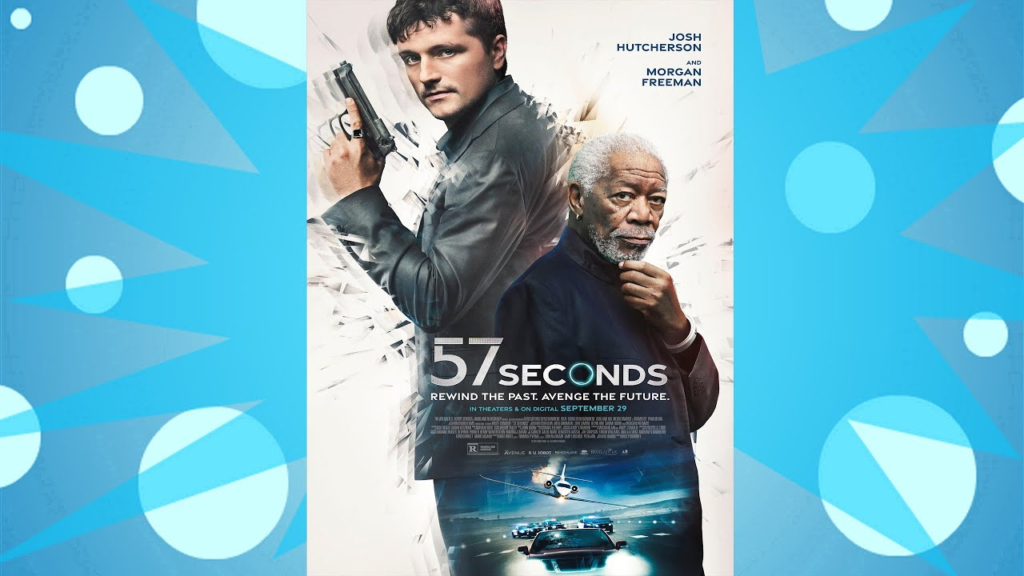
The science-fiction genre has produced countless films about time travel, but 57 Seconds distinguishes itself through its focused premise and character-driven storytelling. Rather than exploring vast historical changes or alternate universes, the movie concentrates on a single, highly specific ability. This limitation actually strengthens the narrative by forcing characters to make difficult choices within strict boundaries.
Another reason the film stands out is its accessibility. Some science-fiction movies become overly complicated, requiring viewers to keep track of intricate timelines and paradoxes. 57 Seconds avoids this problem by maintaining a relatively straightforward concept. Audiences can enjoy the story without needing advanced knowledge of theoretical physics or complex time-travel theories.
The movie also reflects contemporary concerns about technology and innovation. As society becomes increasingly dependent on advanced devices and artificial intelligence, questions about ethical responsibility are more relevant than ever. 57 Seconds uses its fictional premise to explore these issues in an entertaining and thought-provoking way.
Furthermore, the film successfully blends multiple genres. It combines elements of science fiction, thriller, drama, and mystery, creating a well-rounded viewing experience. This versatility helps it appeal to a broad range of audiences and contributes to its lasting appeal.
For fans of intelligent entertainment, 57 Seconds offers much more than action and suspense. It presents meaningful questions about power, accountability, and the human desire to control outcomes. These themes ensure that the movie remains memorable long after the credits roll.
FAQs About 57 Seconds
1. What is 57 Seconds about?
57 Seconds is a science-fiction thriller about a journalist who discovers a device that allows him to travel fifty-seven seconds into the past.
2. Is 57 Seconds based on a book?
The movie is inspired by a science-fiction short story concept involving limited time travel and its consequences.
3. What genre is 57 Seconds?
It combines science fiction, thriller, drama, mystery, and suspense elements.
4. Why is the time limit exactly 57 seconds?
The limited time frame creates tension and forces characters to make strategic decisions rather than drastically altering history.
5. Is 57 Seconds a time-travel movie?
Yes, time travel is the central concept of the film, although it operates within strict limitations.
6. What themes are explored in 57 Seconds?
The movie examines revenge, power, responsibility, technology, and ethical decision-making.
7. Is 57 Seconds suitable for science-fiction fans?
Absolutely. The film offers a unique twist on traditional time-travel storytelling.
8. Does 57 Seconds focus more on action or ideas?
It balances action-packed moments with deeper philosophical and ethical questions.
9. What makes 57 Seconds different from other time-travel movies?
Its highly restricted form of time travel creates a fresh perspective and avoids many common genre clichés.
10. Is 57 Seconds worth watching?
Conclusion
57 Seconds is a compelling science-fiction thriller that proves a great idea does not need an enormous scope to be effective. By focusing on a device capable of reversing time by less than a minute, the film creates a unique and engaging narrative filled with suspense, ethical dilemmas, and emotional depth.
Its strong performances, thoughtful themes, polished direction, and innovative premise make it a standout entry in the modern sci-fi genre. The movie encourages viewers to consider how small decisions can shape major outcomes and whether the ability to change the past would truly lead to a better future.
For anyone interested in time-travel stories, technological intrigue, or character-driven thrillers, 57 Seconds delivers an entertaining and thought-provoking experience that continues to spark discussion long after viewing.
