

Introduction
What is ska music? If you’ve ever tapped your foot to an upbeat rhythm, energetic horn section, or infectious guitar strum, you may have already experienced the magic of ska music. Known for its lively tempo, dance-friendly grooves, and distinctive offbeat rhythm, ska is one of the most influential music genres in modern history.
Originating in Jamaica during the late 1950s, ska became the foundation for several major genres, including reggae and rocksteady. Over the decades, it has evolved through multiple waves, crossed international borders, and inspired countless musicians. Today, ska remains a beloved genre that continues to attract fans through its vibrant energy and rich cultural heritage.
In this comprehensive guide, you’ll learn everything you need to know about ska music, including its origins, characteristics, evolution, notable artists, and lasting influence on global music culture.
The Origins of Ska Music in Jamaica
Ska music emerged in Jamaica during the late 1950s as the island experienced significant social and cultural changes. Following World War II, Jamaican musicians were heavily influenced by American rhythm and blues, jazz, and boogie-woogie records that arrived from the United States. Local artists began blending these sounds with traditional Caribbean rhythms, creating something entirely new and distinctive.
The result was ska—a fast-paced, energetic genre characterized by a strong emphasis on the offbeat. This unique rhythm became the defining feature of the style and immediately distinguished it from other forms of popular music. Early ska musicians experimented with horn sections, upbeat melodies, and dance-oriented arrangements that appealed to Jamaican audiences.
As Jamaica moved toward independence in 1962, ska became a symbol of national pride and cultural identity. The genre reflected the optimism and excitement of a nation defining itself on the global stage. Dance halls and sound systems played a crucial role in spreading ska throughout the country, helping it become the dominant musical style of the era.
Many historians consider ska the first truly Jamaican popular music genre. It laid the groundwork for future developments in Caribbean music and established Jamaica as a powerful force in the international music industry.
The Distinctive Sound and Characteristics of Ska Music
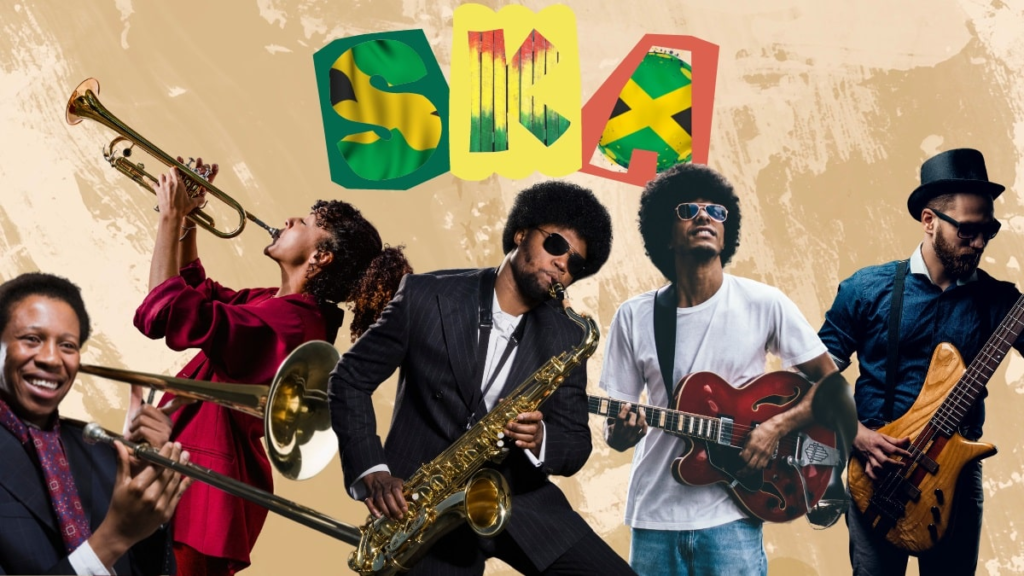
One of the most common questions people ask when exploring the genre is, “What is ska music known for?” The answer lies in its instantly recognizable rhythm. Ska emphasizes the offbeat, meaning musicians accent the spaces between the main beats. This creates a bouncing, energetic feel that encourages movement and dancing.
The guitar and piano often play short, sharp chords on the offbeat, while the bass and drums maintain a steady groove underneath. Horn instruments such as trumpets, trombones, and saxophones add melodic flair and powerful accents. Together, these elements create the vibrant and dynamic sound that defines ska.
Tempo is another key characteristic. Traditional ska tends to be faster than reggae and rocksteady, giving it an exciting and upbeat atmosphere. The music often feels celebratory, making it popular at parties, festivals, and live performances.
Lyrically, ska covers a wide range of subjects. Some songs focus on love, relationships, and everyday life, while others address social issues, politics, and cultural themes. This versatility has helped the genre remain relevant across generations and geographic regions.
The Three Waves of Ska Music
Understanding ska’s evolution requires examining its three major waves. Each wave introduced new influences and expanded the genre’s reach around the world.
The first wave occurred in Jamaica during the late 1950s and 1960s. This era featured pioneering artists who established the core elements of ska. The music was deeply rooted in Jamaican culture and served as the foundation for later developments such as rocksteady and reggae.
The second wave, often referred to as the 2 Tone movement, emerged in the United Kingdom during the late 1970s. British musicians combined traditional Jamaican ska with punk rock energy and new wave influences. This movement was notable for promoting racial unity and multiculturalism during a period of social tension in Britain.
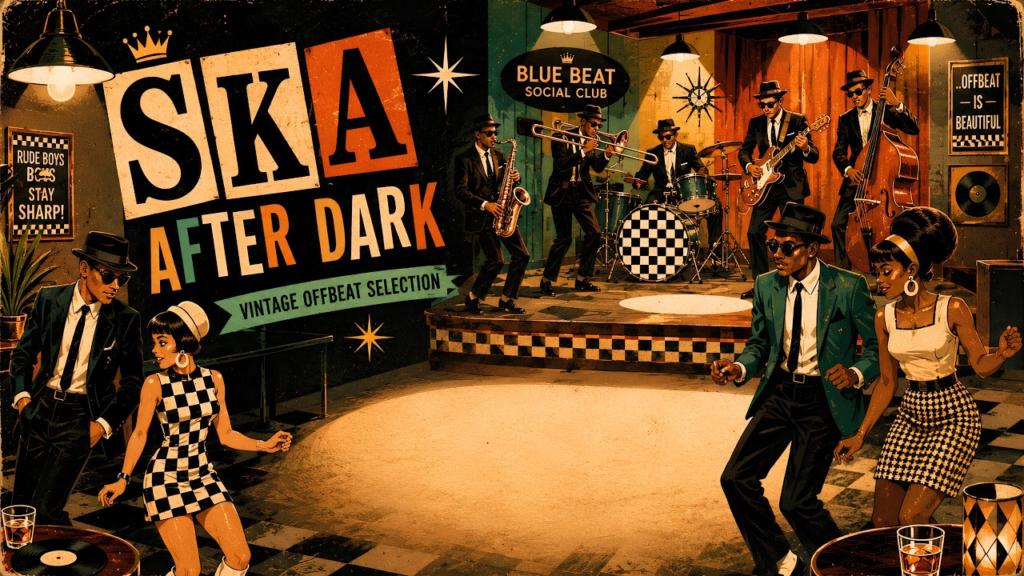
Bands associated with the 2 Tone era helped introduce ska to new audiences. Their music maintained the genre’s signature rhythms while adding a sharper, more aggressive edge that appealed to younger listeners. The movement also became closely associated with distinctive black-and-white visual aesthetics.
The third wave arrived during the 1980s and 1990s, particularly in North America. This phase blended ska with punk rock, creating a faster and more energetic style often called ska-punk. The genre gained mainstream popularity through extensive touring, radio airplay, and appearances on television.
The third wave introduced ska to millions of new fans and demonstrated the genre’s ability to adapt to changing musical tastes. While some traditionalists preferred earlier styles, the movement played a significant role in keeping ska alive and relevant.
Famous Ska Artists and Their Contributions
No discussion about what is ska music would be complete without recognizing the artists who shaped its history. Early Jamaican musicians were instrumental in establishing the genre’s identity and popularity. Their recordings continue to influence musicians around the world today.
Among the most important contributors were pioneering vocalists, instrumentalists, and producers who helped define ska’s sound during its formative years. Their innovative approach to rhythm, arrangement, and performance created a blueprint that countless artists would follow.
During the 2 Tone era, British bands expanded ska’s reach by introducing fresh influences and addressing contemporary social issues. Their music promoted messages of unity, tolerance, and cultural understanding, helping ska become more than just a musical style.
The third wave produced a new generation of performers who merged ska with punk, alternative rock, and other genres. These artists attracted younger audiences and brought ska into mainstream popular culture. Their success demonstrated the genre’s flexibility and enduring appeal.
Even today, new musicians continue to experiment with ska while honoring its traditions. This ongoing creativity ensures that the genre remains vibrant and relevant in the modern music landscape.
Ska Music’s Influence on Modern Music and Culture
Ska’s impact extends far beyond its own genre. In fact, many of today’s most popular musical styles owe a debt to the innovations pioneered by ska musicians. The genre directly influenced the development of rocksteady and reggae, both of which became major forces in global music.
Reggae, in particular, achieved international recognition and introduced millions of listeners to Jamaican musical traditions. Without ska, the evolution of reggae would likely have followed a very different path. This alone highlights the genre’s enormous historical significance.
Ska has also influenced punk rock, alternative rock, pop, and indie music. Its rhythmic patterns, horn arrangements, and energetic performance style can be heard in countless recordings across multiple genres. Musicians frequently incorporate ska elements to add excitement, movement, and personality to their work.
Beyond music, ska has shaped fashion, dance culture, and social movements. The 2 Tone movement, for example, became closely associated with anti-racism campaigns and multicultural solidarity. Meanwhile, ska communities around the world continue to foster inclusivity, creativity, and a shared appreciation for diverse musical traditions.
Today, ska festivals, concerts, and online communities demonstrate the genre’s enduring popularity. Fans from different backgrounds come together to celebrate a musical style that remains as energetic and inspiring as ever.
Frequently Asked Questions (FAQs)
1. What is ska music?
Ska is a Jamaican music genre characterized by upbeat tempos, offbeat rhythms, horn sections, and dance-friendly grooves.
2. Where did ska music originate?
Ska originated in Jamaica during the late 1950s and became popular around the time of Jamaican independence.
3. What genres influenced ska music?
American rhythm and blues, jazz, boogie-woogie, and traditional Caribbean music heavily influenced ska.
4. How is ska different from reggae?
Ska is generally faster and more upbeat, while reggae has a slower tempo and emphasizes different rhythmic patterns.
5. What is the offbeat rhythm in ska?
The offbeat rhythm occurs when instruments emphasize the spaces between the main beats, creating a distinctive bouncing sound.
6. What is 2 Tone ska?
2 Tone ska is the British second wave of ska that combined Jamaican ska with punk rock and new wave influences.
7. What is ska-punk?
Ska-punk is a fusion genre that blends ska rhythms with the speed and aggression of punk rock.
8. Why is ska music important?
Ska is important because it influenced reggae, rocksteady, punk rock, and numerous other music genres.
9. Is ska music still popular today?
Yes, ska continues to have dedicated fans worldwide through festivals, concerts, and new artist releases.
10. What instruments are commonly used in ska music?
Conclusion
So, what is ska music? It is far more than just a genre characterized by upbeat rhythms and catchy horn sections. Ska represents a rich cultural tradition that originated in Jamaica, evolved through multiple waves, and influenced countless musical styles worldwide.
From its roots in Jamaican independence to its global expansion through the 2 Tone movement and ska-punk revolution, ska has consistently adapted while preserving its core identity. Its infectious energy, distinctive sound, and powerful cultural significance continue to captivate audiences across generations.
Whether you’re a longtime fan or a curious newcomer, exploring ska music offers a fascinating journey through music history, cultural exchange, and artistic innovation. As long as people continue to dance to its unmistakable rhythms, ska’s legacy will remain alive and thriving.
