

Introduction
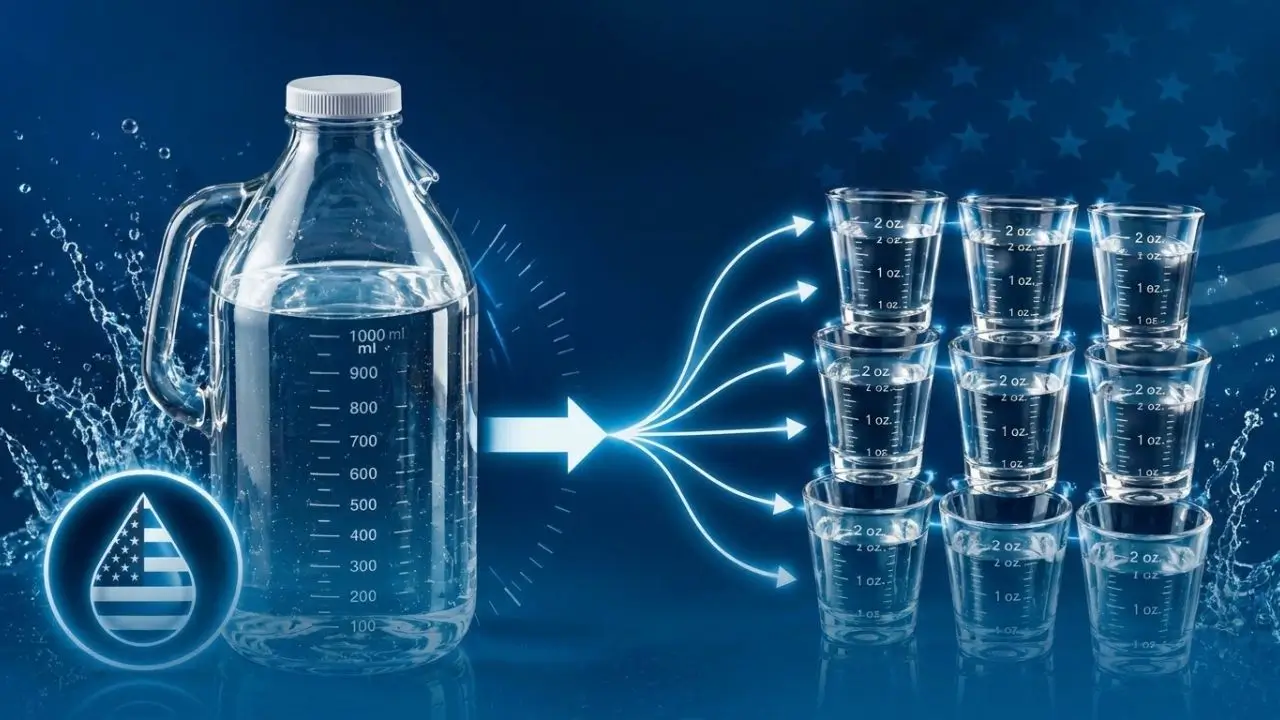
How many ounces in a cup? It’s one of the most common questions people ask while cooking, baking, or following a recipe from another country. Although the answer may seem simple, it depends on whether you’re measuring liquids or dry ingredients, as well as the measuring system being used.
For standard U.S. recipes, one cup equals 8 fluid ounces when measuring liquids. However, confusion often arises because fluid ounces measure volume, while ounces used for dry ingredients measure weight. That small distinction can make a noticeable difference in the final result of a recipe, especially in baking where precision matters.
Whether you’re preparing a family dinner, experimenting with a new dessert, or converting measurements from an old cookbook, understanding cups and ounces can save time and prevent mistakes. This guide explains everything you need to know, including the difference between fluid and dry ounces, practical conversion charts, everyday examples, and helpful measuring techniques that make cooking easier and more accurate.
Understanding How Many Ounces Are in a Cup
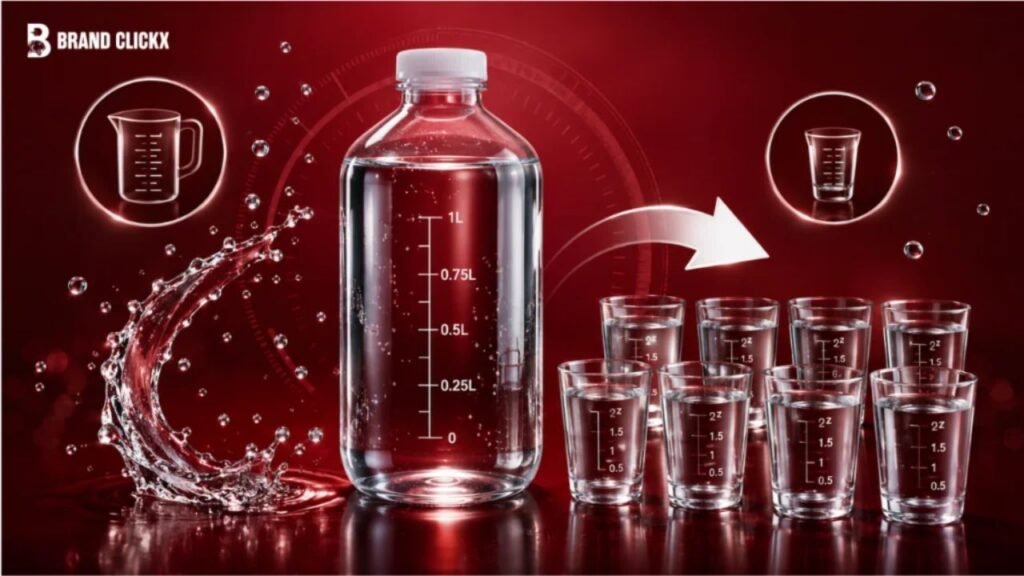
The simplest answer is that 1 U.S. cup equals 8 fluid ounces. This measurement applies to liquids such as water, milk, juice, coffee, broth, and cooking oil. When a recipe asks for one cup of liquid, you can confidently measure 8 fluid ounces using a liquid measuring cup.
The confusion begins because the word “ounce” has two meanings in cooking. A fluid ounce measures volume, while a regular ounce measures weight. Although both use the word “ounce,” they are not interchangeable. Eight fluid ounces of water happen to weigh about eight ounces, but many other ingredients do not follow that relationship.
Fluid Ounces vs. Weight Ounces
Imagine filling a measuring cup with one cup of honey. The volume is still one cup, or 8 fluid ounces, but the honey weighs significantly more than 8 ounces because it is denser than water. Flour presents the opposite situation. One cup of flour measures one cup in volume but weighs only around 4¼ to 4½ ounces depending on how it is measured.
Understanding this difference prevents common kitchen mistakes and helps ensure recipes turn out exactly as intended.
Liquid Measurements Compared with Dry Ingredient Measurements
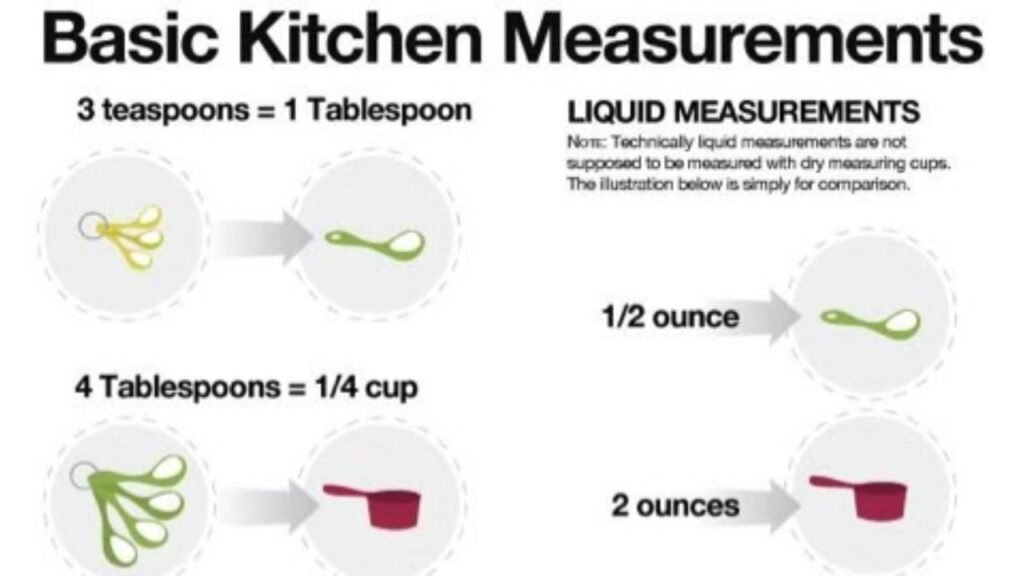
Liquid ingredients are generally straightforward because measuring cups are designed to indicate volume. Water, milk, juice, vinegar, stock, and similar ingredients all use the standard conversion of 8 fluid ounces per cup. Most recipes assume you’re using a liquid measuring cup with clear markings and enough room to avoid spills.
Dry ingredients require a different approach because weight varies according to density. One cup of sugar occupies the same amount of space as one cup of flour, yet sugar weighs much more. That is why professional bakers often rely on kitchen scales instead of measuring cups whenever possible.
Common Dry Ingredient Weights
Here are approximate weights for one U.S. cup of common ingredients:
- All-purpose flour: about 4.25 ounces
- Granulated sugar: about 7 ounces
- Brown sugar (packed): about 7.5 ounces
- Butter: about 8 ounces (2 sticks)
- Rolled oats: about 3 ounces
- Cocoa powder: about 3 ounces
- Rice (uncooked): about 6.5 ounces
These values demonstrate why simply replacing cups with ounces can lead to inaccurate measurements. Weight depends entirely on the ingredient being measured.
Using the proper measuring method also matters. Flour should be spooned into the measuring cup and leveled with a straight edge rather than scooped directly from the bag. Scooping compresses the flour and can add significantly more than the recipe intends.
Cup-to-Ounce Conversion Chart for Everyday Cooking
Having a quick conversion chart nearby makes meal preparation much simpler. Many recipes call for fractions of a cup, so knowing the equivalent fluid ounces helps when scaling recipes up or down.
Standard U.S. Cup Conversions
| Cups | Fluid Ounces |
|---|---|
| ¼ cup | 2 fl oz |
| ⅓ cup | 2.67 fl oz |
| ½ cup | 4 fl oz |
| ⅔ cup | 5.33 fl oz |
| ¾ cup | 6 fl oz |
| 1 cup | 8 fl oz |
| 1½ cups | 12 fl oz |
| 2 cups | 16 fl oz |
| 3 cups | 24 fl oz |
| 4 cups | 32 fl oz |
These conversions are especially useful when doubling recipes or reducing serving sizes. Instead of guessing, you can measure with confidence and maintain the intended balance of ingredients.
Helpful Kitchen Equivalents
Many kitchen measurements connect with one another, making conversions easier to remember.
- 1 cup = 8 fluid ounces
- 2 cups = 1 pint
- 4 cups = 1 quart
- 16 cups = 1 gallon
- 1 cup = 16 tablespoons
- 1 cup = 48 teaspoons
Learning these relationships can simplify everything from cooking soups to preparing sauces and beverages.
Why Measuring Systems Around the World Can Be Different

One reason people become confused is that not every country defines a cup the same way. Recipes from the United States, Canada, Australia, and the United Kingdom may all use the word “cup,” yet the actual volume can vary.
The standard U.S. measuring cup equals approximately 236.6 milliliters. Many international recipes, however, use a 250-milliliter metric cup, which is slightly larger. While the difference may seem small, it becomes more noticeable in recipes requiring precise measurements, particularly baked goods.
Comparing Different Cup Sizes
Here are some commonly used cup measurements:
- U.S. Cup: approximately 236.6 mL
- Metric Cup: 250 mL
- Japanese Cup: 200 mL
For casual cooking, these differences often have little impact. When baking cakes, breads, pastries, or delicate desserts, however, even small measurement differences can affect texture, rise, and moisture.
When following recipes from another country, check which measurement system the author uses. This simple step can eliminate unnecessary trial and error.
Practical Tips for Measuring Ingredients Accurately Every Time
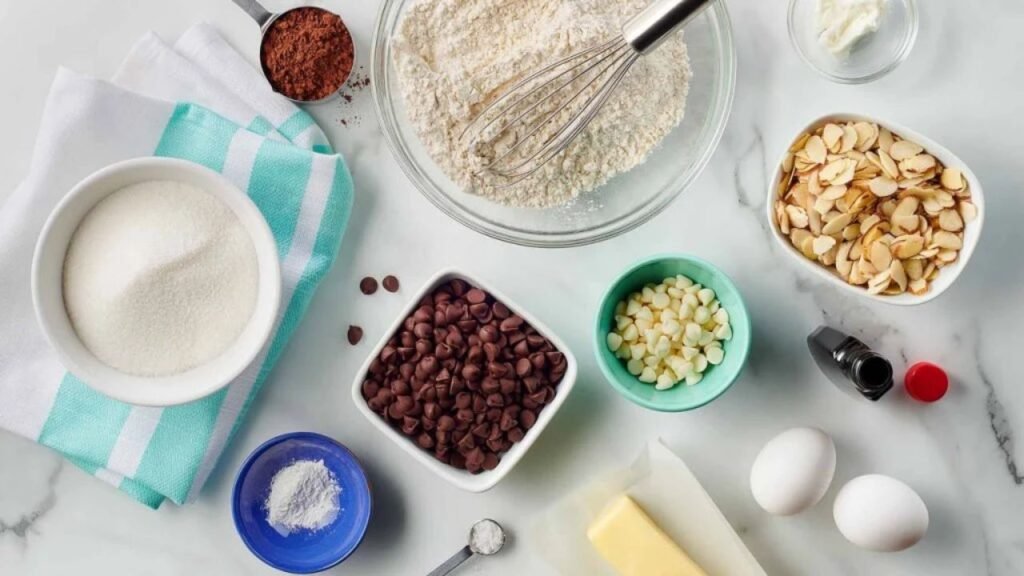
Good measuring habits can dramatically improve cooking results. Even experienced home cooks occasionally overlook small details that influence consistency.
For liquids, always use a transparent liquid measuring cup placed on a flat surface. Bend down until your eyes are level with the measurement line before checking the amount. Looking from above or below creates an inaccurate reading because of the liquid’s curved surface, known as the meniscus.
Dry ingredients deserve equal attention. Spoon ingredients gently into a dry measuring cup, then level them with a straight knife or spatula. Avoid shaking or tapping the cup because doing so compresses ingredients like flour and cocoa powder.
When to Use a Kitchen Scale
A digital kitchen scale offers the highest level of accuracy, especially for baking. Measuring by weight removes inconsistencies caused by packing, settling, humidity, and individual measuring techniques.
Professional bakers often prefer grams because they eliminate nearly all guesswork. If a recipe provides both cups and grams, weighing ingredients typically produces more consistent results than measuring by volume.
Kitchen scales also simplify recipe adjustments. Doubling or halving ingredients becomes much easier without repeatedly filling measuring cups.
Common Measuring Mistakes to Avoid
Several small mistakes can affect the outcome of a recipe:
- Confusing fluid ounces with weight ounces.
- Using dry measuring cups for liquids.
- Using liquid measuring cups for dry ingredients.
- Packing flour into the cup instead of spooning it.
- Ignoring the recipe’s measurement system.
- Estimating instead of leveling ingredients.
Avoiding these habits helps create better texture, flavor, and consistency in everything from cookies to casseroles.
Conclusion
Understanding how many ounces are in a cup is one of the most valuable kitchen skills anyone can learn. For standard U.S. liquid measurements, 1 cup equals 8 fluid ounces, making everyday cooking much easier. The real challenge comes from recognizing that fluid ounces measure volume, while regular ounces measure weight.
Once you understand the distinction, recipes become easier to follow, ingredient conversions make more sense, and cooking becomes far less frustrating. Whether you’re preparing a simple breakfast, baking homemade bread, or experimenting with international recipes, accurate measuring creates better, more consistent results.
Keeping a conversion chart nearby, using the correct measuring tools, and relying on a kitchen scale when precision matters are simple habits that improve confidence in the kitchen. A little extra attention to measurements can make the difference between a recipe that’s merely acceptable and one that turns out exactly as intended every time.
Frequently Asked Questions
1. How many ounces are in one cup?
One U.S. cup contains 8 fluid ounces when measuring liquids.
2. Does one cup always equal eight ounces?
Only for liquid volume in the U.S. Dry ingredients may weigh more or less than 8 ounces depending on their density.
3. Is a fluid ounce the same as a regular ounce?
No. A fluid ounce measures volume, while a regular ounce measures weight.
4. How many ounces are in half a cup?
Half a cup equals 4 fluid ounces.
5. How many ounces are in two cups?
Two cups equal 16 fluid ounces.
6. Why does one cup of flour not weigh eight ounces?
Flour is much lighter than water. One cup of all-purpose flour typically weighs about 4.25 ounces.
7. How many tablespoons are in one cup?
One U.S. cup contains 16 tablespoons.
8. What measuring cup should I use for liquids?
Use a clear liquid measuring cup with a pouring spout and read the measurement at eye level.
9. Are metric cups the same as U.S. cups?
No. A metric cup is generally 250 milliliters, while a U.S. cup is approximately 236.6 milliliters.
10. Is weighing ingredients more accurate than using measuring cups?
Yes. A digital kitchen scale provides greater precision, particularly for baking, because it measures the actual weight of ingredients rather than their volume.
