

Introduction
El Niño is one of the most influential climate phenomena on Earth, affecting weather patterns, ocean temperatures, agriculture, ecosystems, and economies across the globe. Scientists, meteorologists, farmers, and governments closely monitor El Niño because of its ability to trigger extreme weather events such as floods, droughts, storms, and heatwaves in different regions.
The term El Niño refers to the unusual warming of sea surface temperatures in the central and eastern Pacific Ocean. While it begins in the ocean, its effects spread far beyond coastal waters and influence atmospheric conditions worldwide. From heavy rainfall in some countries to severe drought in others, El Niño has a direct impact on millions of people and countless natural systems.
Understanding El Niño is important because climate changes are becoming more noticeable and extreme. This article explores the causes of El Niño, its effects on global weather, environmental consequences, economic impacts, scientific research, and future climate concerns. Whether you are interested in weather science or environmental issues, this comprehensive guide provides valuable insights into one of the world’s most powerful climate systems.
What Is El Niño and How Does It Work?
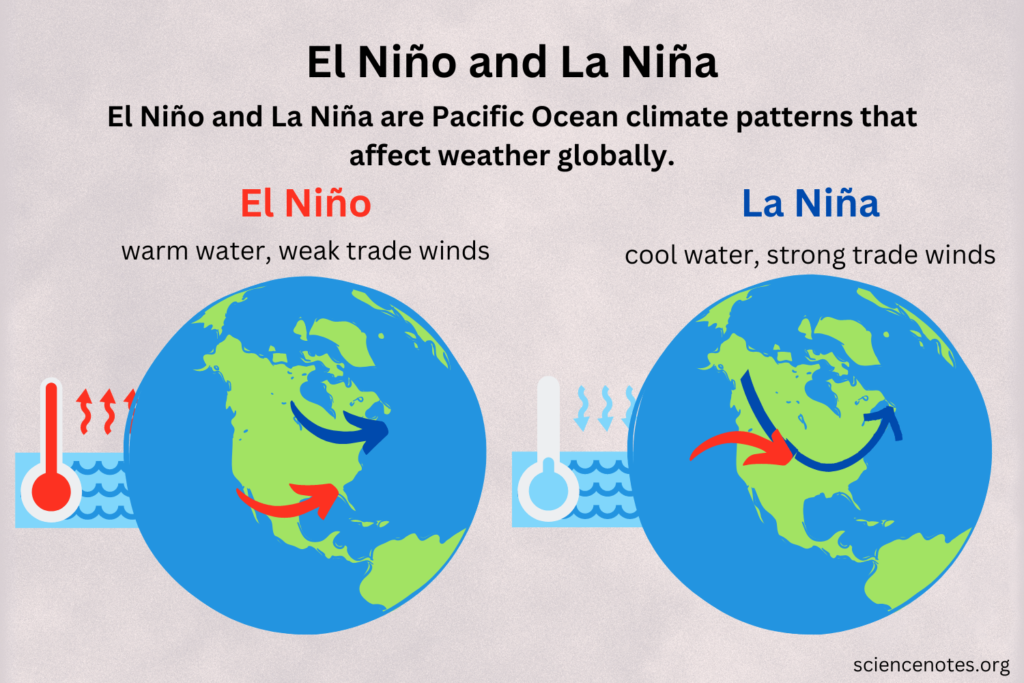
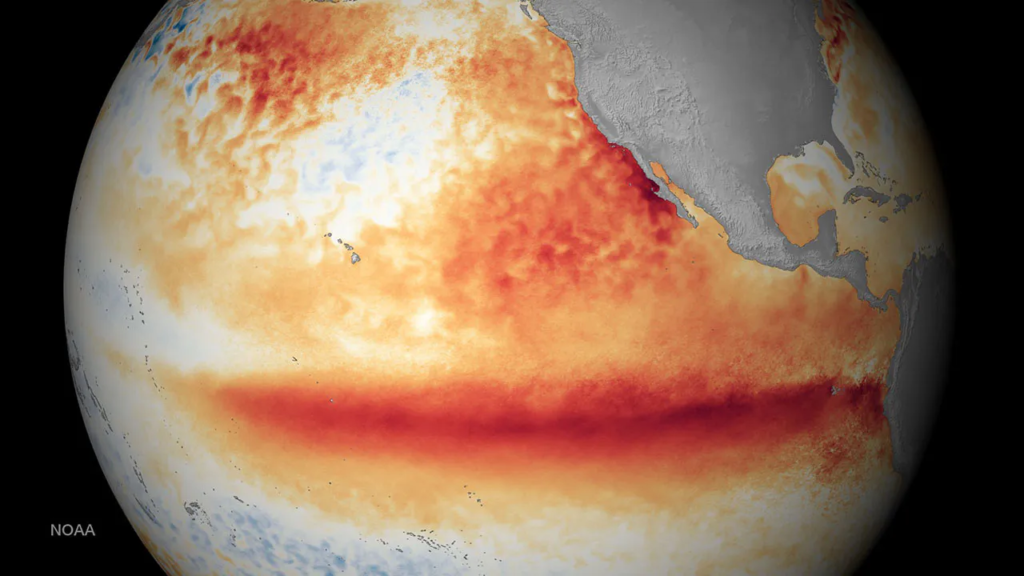
El Niño is part of a larger climate cycle known as the El Niño-Southern Oscillation, often abbreviated as ENSO. This climate pattern involves changes in ocean temperatures and atmospheric pressure across the Pacific Ocean. During an El Niño event, warmer-than-normal ocean temperatures develop in the eastern and central Pacific, disrupting normal weather patterns around the world.
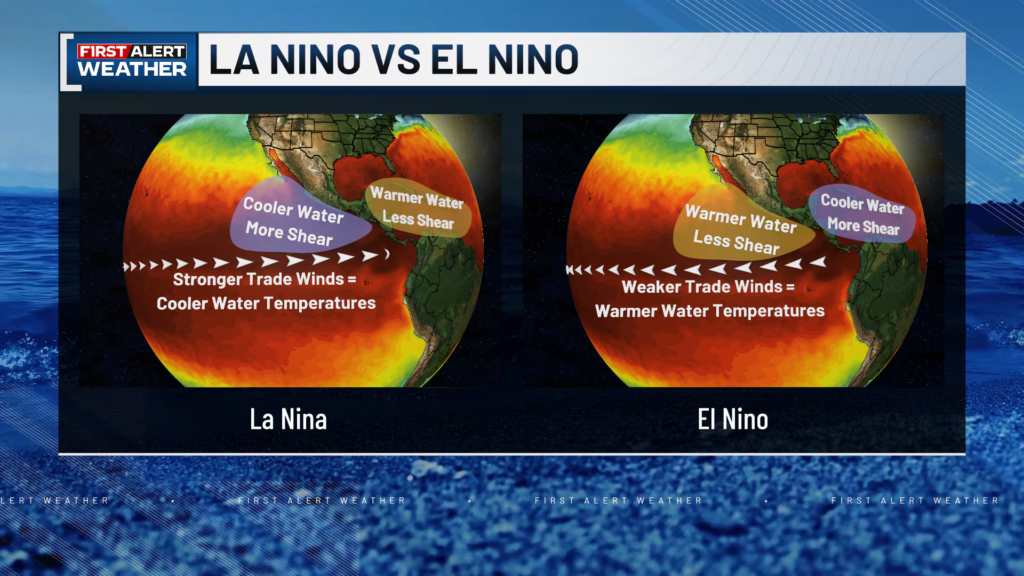
Under typical conditions, trade winds push warm surface water westward across the Pacific Ocean toward Asia and Australia. Cooler water rises near South America through a process called upwelling. However, during El Niño, these trade winds weaken or sometimes reverse direction. As a result, warm water shifts eastward, reducing the upwelling of cold water and increasing sea surface temperatures.
These oceanic changes significantly influence atmospheric circulation. Warm ocean water transfers heat into the atmosphere, altering rainfall patterns, wind systems, and storm development across different continents. Some areas experience excessive rainfall and flooding, while others suffer severe drought and high temperatures.
El Niño events usually occur every two to seven years and vary in intensity. Some are mild and short-lived, while others become extremely powerful and cause major global disruptions. Scientists monitor Pacific Ocean temperatures and atmospheric indicators closely to predict El Niño events and minimize potential damage.
The relationship between oceans and the atmosphere is highly complex, making El Niño an important topic in climate science. Researchers continue studying its behavior to improve weather forecasting and understand how climate change may influence future El Niño events.
The Global Weather Effects of El Niño
One of the most significant aspects of El Niño is its ability to alter weather patterns worldwide. Although the phenomenon begins in the Pacific Ocean, its effects extend across North America, South America, Asia, Africa, and even parts of Europe.
In many regions, El Niño increases rainfall and storm activity. Countries along the western coast of South America often experience heavy rain, flooding, and landslides during strong El Niño events. Coastal communities may face infrastructure damage, agricultural losses, and disruptions to transportation systems.
Meanwhile, regions such as Australia, Indonesia, and parts of Southeast Asia often experience drought conditions due to reduced rainfall. Water shortages, crop failures, and increased wildfire risk become major concerns in these areas. Farmers and governments must prepare carefully for the environmental and economic consequences of prolonged dry weather.
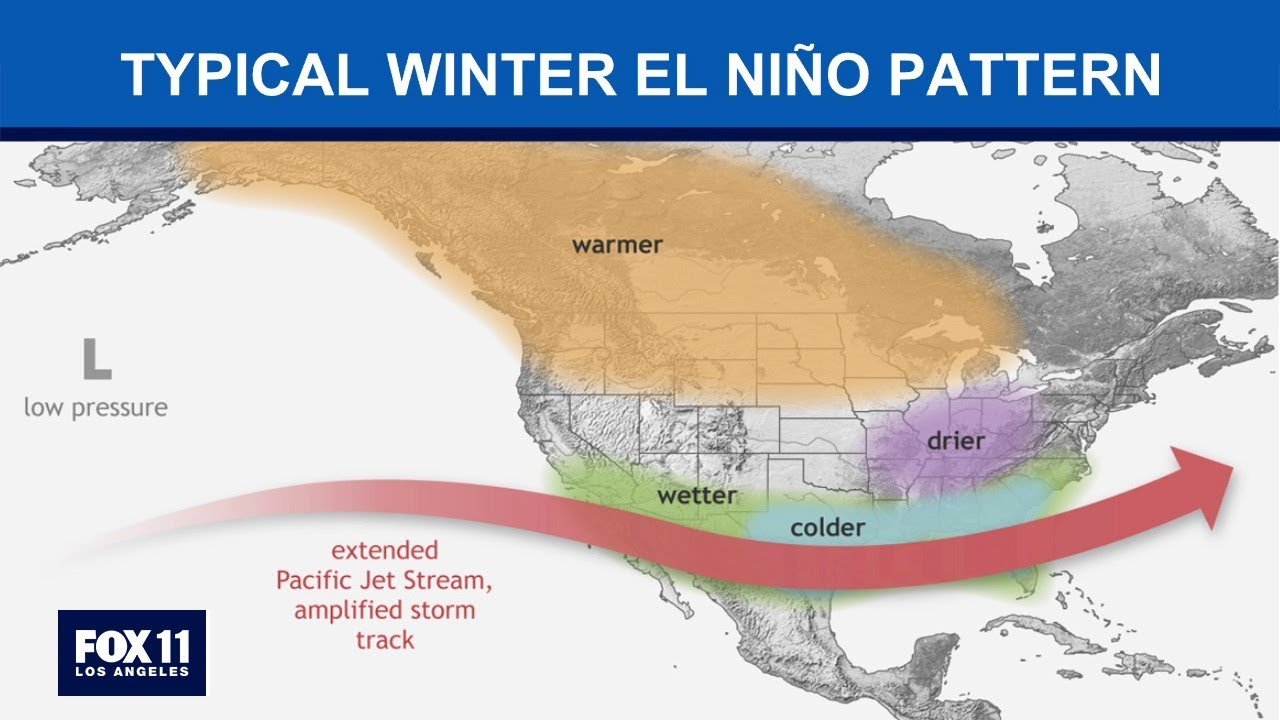
North America also experiences noticeable climate changes during El Niño years. Some southern regions of the United States tend to become wetter and cooler, while northern areas may experience warmer winters. These weather shifts influence agriculture, energy demand, transportation, and public safety.
Another important impact of El Niño involves tropical storms and hurricanes. Changes in atmospheric wind patterns can either increase or decrease hurricane activity depending on the ocean basin. Meteorologists carefully analyze El Niño conditions when forecasting storm seasons because the phenomenon strongly affects storm formation and intensity.
The global reach of El Niño demonstrates how interconnected Earth’s climate systems truly are. A change in Pacific Ocean temperatures can influence rainfall, temperature, and weather conditions thousands of miles away, affecting millions of lives and entire ecosystems.
Environmental and Ecological Consequences of El Niño
El Niño has major environmental consequences that affect marine ecosystems, forests, wildlife, and biodiversity across the globe. Because ocean temperatures and rainfall patterns shift dramatically during El Niño events, many ecosystems struggle to adapt quickly enough to changing conditions.
Marine life is especially vulnerable during strong El Niño periods. In the Pacific Ocean, reduced upwelling limits the supply of nutrient-rich cold water near coastal regions. Fish populations decline because fewer nutrients mean lower plankton production, which disrupts the marine food chain. This directly affects fishing industries and coastal economies that depend on healthy fish populations.
Coral reefs also face serious threats during El Niño. Warmer ocean temperatures increase the risk of coral bleaching, a process where corals lose the algae that provide them with food and color. Severe bleaching events can damage entire reef ecosystems and reduce marine biodiversity significantly.
On land, El Niño contributes to droughts, wildfires, and habitat destruction in several parts of the world. Dry conditions weaken forests and increase the likelihood of large-scale fires. Wildlife species may lose access to water and food resources, leading to migration disruptions and population decline.
Flooding caused by El Niño creates additional environmental challenges. Excessive rainfall can trigger soil erosion, landslides, and water contamination. Wet conditions also increase the spread of certain diseases carried by insects and contaminated water sources.
Environmental scientists study El Niño closely because its ecological effects reveal the sensitivity of Earth’s natural systems. Understanding these impacts helps governments and organizations develop strategies for conservation, disaster management, and climate adaptation.
Economic and Social Impacts of El Niño
The economic consequences of El Niño can be enormous because weather disruptions affect agriculture, fisheries, infrastructure, transportation, and public health. Many countries spend billions of dollars responding to disasters linked to strong El Niño events.
Agriculture is one of the sectors most heavily influenced by El Niño. Drought conditions in some regions reduce crop production and threaten food security. Farmers may struggle with lower yields, livestock losses, and water shortages. Meanwhile, excessive rainfall in other regions can damage crops, flood farmland, and delay harvests.
Fishing industries also face significant challenges during El Niño events. Warmer ocean temperatures reduce fish populations in certain coastal areas, particularly near South America. Communities that rely on fishing for income and food may experience severe economic hardship when fish stocks decline.
Infrastructure damage caused by floods, storms, and landslides creates additional financial pressure on governments. Roads, bridges, buildings, and transportation networks often require expensive repairs after extreme weather events linked to El Niño.
Public health risks increase as well. Flooding can spread waterborne diseases, while droughts may reduce access to clean drinking water. Heatwaves and changing weather patterns can also worsen respiratory illnesses and increase health-related emergencies.
Social impacts are equally important. Families may lose homes, businesses, and livelihoods due to climate-related disasters. Vulnerable populations often suffer the most because they have fewer resources to recover from economic and environmental shocks.
Governments and international organizations work to improve disaster preparedness and climate forecasting to reduce the social and economic damage caused by El Niño. Early warning systems, improved infrastructure, and sustainable resource management are becoming increasingly important in a changing climate.
Climate Change and the Future of El Niño
One of the most debated questions in climate science today is how global warming may influence future El Niño events. Scientists continue researching whether climate change could make El Niño stronger, more frequent, or more unpredictable in the coming decades.
Rising global temperatures are already affecting ocean conditions worldwide. Warmer oceans may increase the intensity of extreme weather events associated with El Niño, including heatwaves, storms, droughts, and flooding. Some climate models suggest that powerful El Niño events could become more common in the future.
However, predicting the exact relationship between climate change and El Niño remains challenging because Earth’s climate system is highly complex. Scientists use advanced computer models, satellite observations, and historical climate data to improve forecasting accuracy.
Improved climate forecasting is essential for reducing the risks associated with El-Niño. Governments, farmers, businesses, and emergency management agencies rely on seasonal climate predictions to prepare for changing weather conditions. Accurate forecasting helps communities protect crops, manage water supplies, and reduce disaster-related losses.
Public awareness about El-Niño is also growing as climate concerns become more important globally. Educational programs and scientific communication play a major role in helping people understand how climate systems affect daily life and environmental stability.
The future of El-Niño research will likely focus on understanding how human activity influences natural climate cycles. As scientists continue studying ocean-atmosphere interactions, the world may gain better tools for adapting to extreme weather and protecting vulnerable communities.
FAQs About El-Niño
1. What is El-Niño?
El-Niño is a climate phenomenon caused by unusually warm ocean temperatures in the Pacific Ocean.
2. How often does El-Niño occur?
El-Niño events typically occur every two to seven years.
3. What causes El-Niño?
Weakening trade winds and changes in ocean circulation cause warm water to move eastward in the Pacific Ocean.
4. Why is El-Niño important?
It affects global weather patterns, agriculture, ecosystems, and economies worldwide.
5. Does El-Niño cause floods?
Yes, some regions experience heavy rainfall and flooding during El-Niño events.
6. Can El-Niño cause droughts?
Yes, certain countries may experience severe drought and water shortages.
7. How does El-Niño affect marine life?
Warmer ocean temperatures reduce nutrient availability and can harm fish populations and coral reefs.
8. Is El-Niño connected to climate change?
Scientists believe climate change may influence the intensity and frequency of El-Niño events.
9. How do scientists predict El-Niño?
Researchers use satellites, ocean temperature data, and climate models to forecast El-Niño conditions.
10. What is the opposite of El-Niño?
The opposite phase is called La Niña, which involves cooler-than-normal Pacific Ocean temperatures.
Conclusion
El-Niño is one of the most powerful and influential climate phenomena on Earth. By changing ocean temperatures and atmospheric patterns, it affects weather systems, ecosystems, agriculture, economies, and human societies across the globe.
From droughts and floods to coral bleaching and food shortages, the effects of El-Niño demonstrate the deep connection between oceans, climate, and daily life. Scientists continue working to understand this complex system in order to improve forecasting, disaster preparedness, and climate resilience.
As global climate concerns grow, understanding El-Niño becomes even more important. Better scientific research, international cooperation, and public awareness can help reduce the risks associated with extreme climate events and protect both people and the environment for future generations
