

Introduction
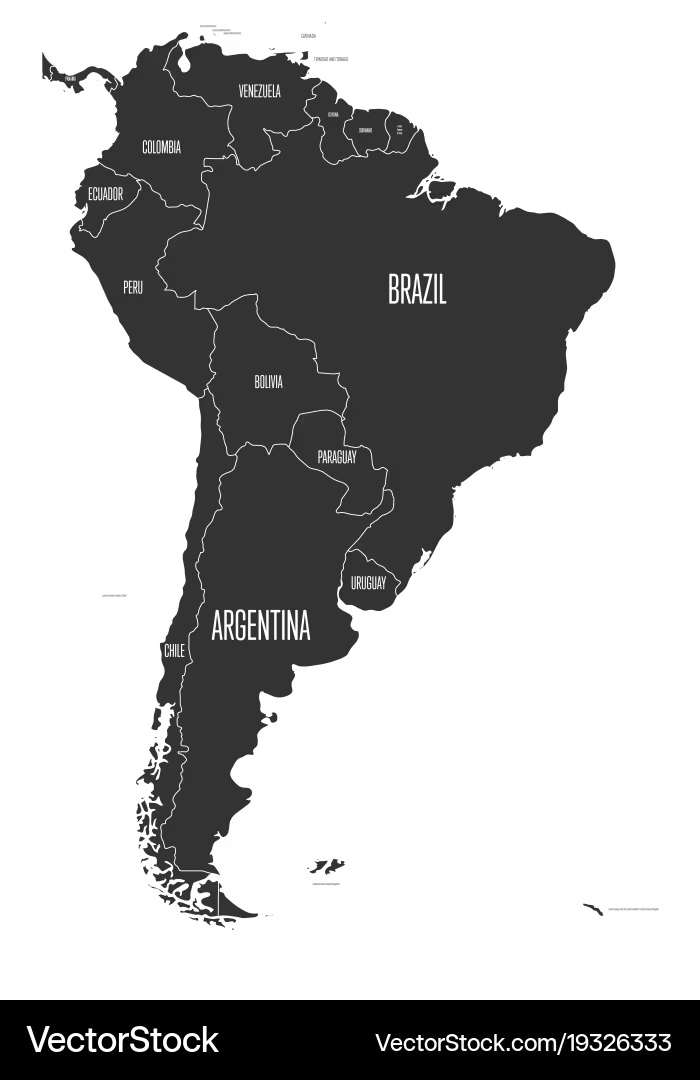
The South America map is an essential tool for understanding one of the most diverse and fascinating continents in the world. From vast rainforests to towering mountain ranges, South America offers a wide range of geographical features that make it unique. Whether you are a student, traveler, or geography enthusiast, studying the map of South America can help you explore its countries, capitals, and natural landmarks in detail.
Located in the Western Hemisphere, South America lies mostly in the Southern Hemisphere and is bordered by the Atlantic Ocean to the east and the Pacific Ocean to the west. A well-detailed South America map reveals not just borders but also rivers, mountains, and cultural regions.
Why the South America Map is Important
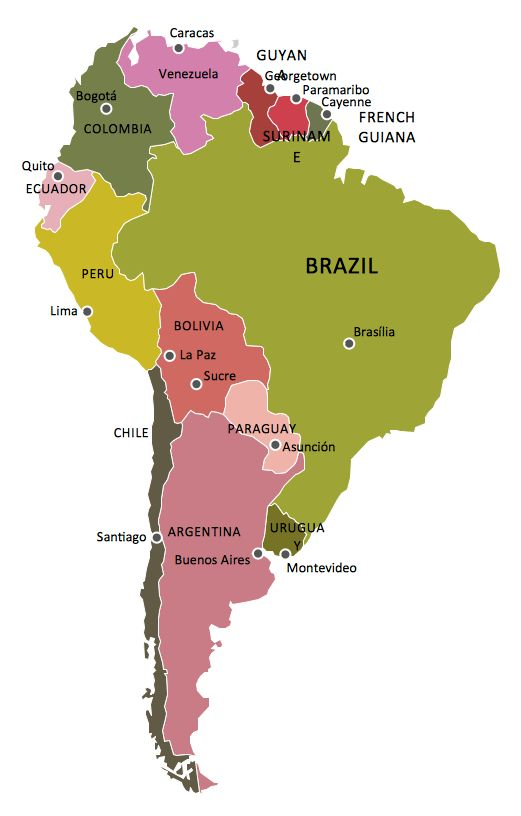
Understanding the south america map is important for several reasons. It helps in learning about political boundaries, identifying countries, and recognizing geographical features. Maps are also widely used in education, tourism planning, and research.
A good map provides clarity about:
- Country locations
- Capital cities
- Physical landscapes
- Transportation routes
- Climate zones
Without a clear map, it becomes difficult to grasp how large and diverse this continent truly is.
Overview of South America’s Geography
When analyzing a south america map, you will notice that the continent has a distinctive triangular shape. It stretches from near the equator down to the southern tip close to Antarctica.
Key Geographic Features
- The Andes Mountains run along the western edge
- The Amazon River flows through the northern region
- The Amazon Rainforest covers a large portion of the continent
- The Pampas are fertile plains in the south
- The Atacama Desert is one of the driest places on Earth
These features are clearly visible on any detailed map, making it easier to understand the continent’s structure.
Countries on the South America Map
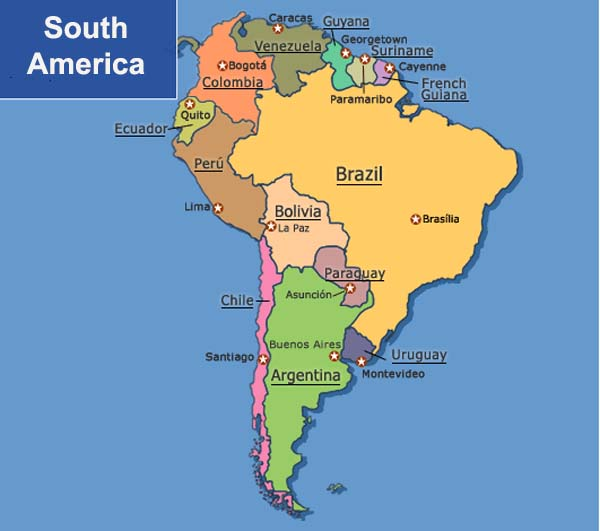
The south america map includes 12 independent countries and a few territories. Each country has its own culture, language, and geography.
List of Countries
- Argentina
- Bolivia
- Brazil
- Chile
- Colombia
- Ecuador
- Guyana
- Paraguay
- Peru
- Suriname
- Uruguay
- Venezuela
Additionally, there is French Guiana, which is an overseas territory.
Each country is clearly marked on the map, allowing users to identify borders and neighboring nations easily.
Capitals and Major Cities on the South America Map
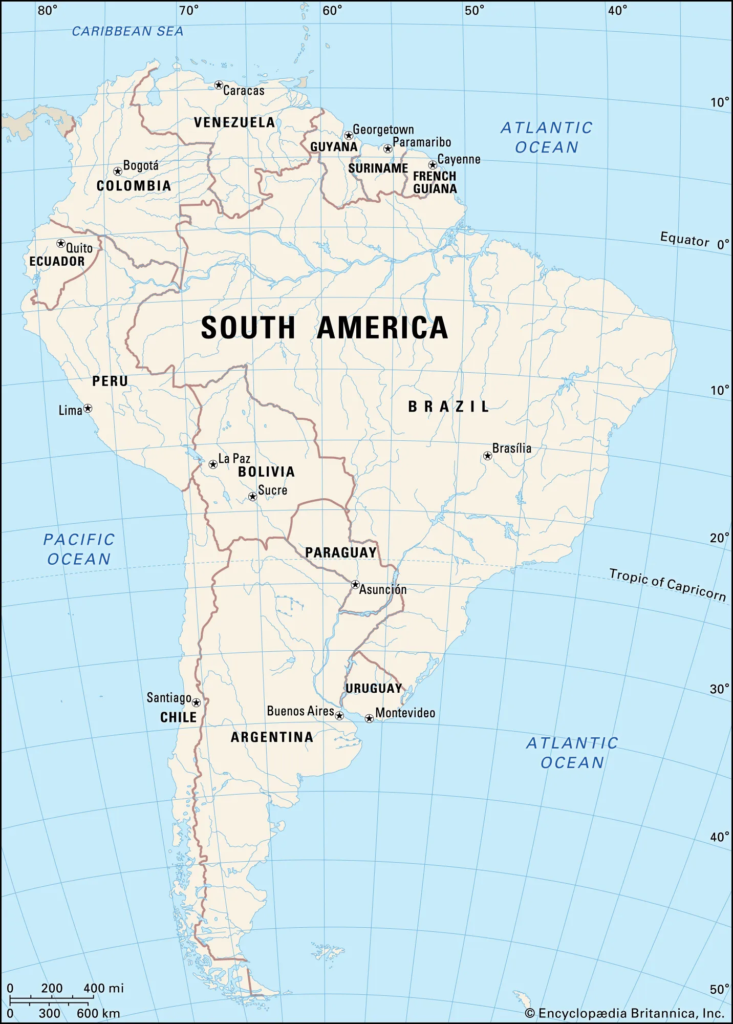
A detailed south america map often includes major cities and capitals, which are important for navigation and understanding population distribution.
Examples of Key Capitals
- Buenos Aires (Argentina)
- Brasília (Brazil)
- Santiago (Chile)
- Lima (Peru)
- Bogotá (Colombia)
These cities play a major role in politics, economy, and tourism.
Physical Features Visible on the South America Map
One of the most interesting aspects of a south america map is its physical geography. The continent is rich in natural landmarks that shape its identity.
The Andes Mountains
Stretching over 7,000 kilometers, the Andes are the longest mountain range in the world. On the map, they appear along the western coast.
The Amazon River
The Amazon River is the largest river by volume. It flows across multiple countries and is easily identifiable on most maps.
The Amazon Rainforest
This rainforest is often referred to as the “lungs of the Earth.” It covers a vast area and is shown in green on many maps.
The Atacama Desert
Located in Chile, this desert is one of the driest places on Earth and is clearly marked on physical maps.
Climate Zones on the South America Map
A south america map can also highlight climate zones. The continent experiences a variety of climates due to its size and location.
Major Climate Types
- Tropical (near the equator)
- Arid (desert regions)
- Temperate (southern areas)
- Mountain climate (Andes region)
Understanding these zones helps in predicting weather patterns and planning travel.
Rivers and Water Bodies on the South America Map
Water systems are an important part of the south america map. Rivers and lakes support ecosystems and human settlements.
Major Rivers
- Amazon River
- Paraná River
- Orinoco River
Important Lakes
- Lake Titicaca
- Maracaibo Lake
These water bodies are clearly labeled and play a vital role in the continent’s geography.
Political vs Physical South America Map
There are different types of maps available, each serving a unique purpose.
Political Map
A political south america map focuses on country borders, capitals, and major cities. It is useful for studying international boundaries.
Physical Map
A physical map highlights natural features such as mountains, rivers, and forests. It uses colors and textures to show elevation and terrain.
Both types are important depending on your needs.
How to Read a South America Map
Reading a south america map is a skill that becomes easier with practice. Here are some tips:
- Check the legend to understand symbols
- Use the scale to measure distances
- Look at compass directions for orientation
- Identify color codes for terrain
By following these steps, you can interpret maps more effectively.
South America Map for Students
Students often use the south america map for educational purposes. It helps them learn geography in an interactive way.
Benefits for Students
- Improves memory of countries and capitals
- Enhances spatial awareness
- Supports academic learning
- Helps in exams and quizzes
Teachers also rely on maps to make lessons more engaging.
Digital vs Printed South America Map
In today’s world, maps are available in both digital and printed formats.
Digital Maps
- Interactive and zoomable
- Updated regularly
- Available on smartphones
Printed Maps
- Easy to use without internet
- Ideal for classrooms
- Useful for wall displays
Both formats have their advantages depending on the situation.
Travel Planning Using the South America Map
Travelers often use a south america map to plan their journeys. It helps in identifying routes, destinations, and nearby attractions.
Travel Benefits
- Helps choose destinations
- Shows distances between cities
- Identifies natural attractions
- Assists in route planning
A well-detailed map can make travel more efficient and enjoyable.
Cultural Diversity Reflected in the South America Map
The south america map is not just about geography; it also reflects cultural diversity. Each region has unique traditions, languages, and lifestyles.
Cultural Highlights
- Spanish and Portuguese are dominant languages
- Indigenous cultures are widespread
- Festivals and traditions vary by region
Maps often include cultural markers that add more context to geographical information.
Common Mistakes When Using a South America Map
Many people make mistakes while interpreting maps. Avoiding these can improve your understanding.
Common Errors
- Confusing country borders
- Ignoring the scale
- Misreading symbols
- Overlooking smaller countries
Careful observation can help prevent these mistakes.
Future of South America Map Technology
The future of the south america map lies in advanced technology. With tools like GPS and satellite imaging, maps are becoming more accurate and interactive.
Emerging Trends
- 3D mapping
- Real-time updates
- Augmented reality maps
- AI-based navigation
These innovations are transforming how we use maps in daily life.
Conclusion
The south america-map is a powerful tool that provides valuable insights into the continent’s geography, culture, and structure. From identifying countries to exploring natural wonders, maps play a crucial role in education, travel, and research.
By understanding how to read and use a map effectively, you can gain a deeper appreciation of South America’s diversity and beauty. Whether you prefer digital or printed versions, the importance of maps remains timeless.
