

Introduction
Noodle Tools has become one of the most recognized platforms for managing research projects, organizing sources, and creating accurate citations. Whether you’re a middle school student writing your first research paper, a university student completing a thesis, or an educator guiding learners through the research process, the platform offers practical tools that simplify work without replacing critical thinking.
Research often involves much more than collecting information. Writers must evaluate sources, keep track of references, organize notes, develop ideas, and present information according to specific citation styles. Losing track of a single source can create unnecessary frustration later. Noodle Tools addresses these common challenges by bringing every stage of the research process into one organized workspace.
Unlike simple citation generators, Noodle Tools encourages users to think carefully about their research. Instead of merely producing references, it supports note-taking, source evaluation, collaboration, outlining, and project management. This balanced approach helps users become better researchers rather than simply faster ones.
The platform is especially valuable in educational settings because it teaches responsible research habits while reducing many of the repetitive tasks that often discourage students. By combining organization with academic guidance, Noodle Tools has earned its place as a trusted companion throughout the writing process.
Understanding Noodle Tools and Why It Matters
More Than a Citation Generator
Many people first discover Noodle Tools because they need help formatting citations. While citation creation remains one of its strongest features, the platform offers much more than that. It functions as a complete research management system designed to support writers from the earliest brainstorming stage to the final bibliography.
Instead of jumping between note-taking apps, word processors, citation websites, and research folders, users can keep nearly everything together. This centralization reduces confusion and helps maintain a logical workflow throughout the project. Having all research materials in one location also makes revisiting earlier ideas significantly easier.
The software supports multiple citation styles, making it suitable for different academic disciplines. Whether an assignment requires MLA, APA, or Chicago formatting, users can generate properly structured references while minimizing common formatting mistakes.
Building Better Research Habits
One of the platform’s greatest strengths is its emphasis on research quality rather than speed alone. Students are encouraged to record source information carefully, write organized notes, and connect evidence directly to their arguments.
This structured approach gradually builds habits that extend beyond a single assignment. Instead of treating research as a rushed process completed the night before a deadline, users learn to collect evidence methodically, evaluate credibility, and document every source accurately. These habits remain valuable throughout higher education and professional careers.
Key Features That Make Noodle Tools Stand Out

Citation Management Made Simple
Creating citations manually can be surprisingly time-consuming. Every punctuation mark, italicized title, publication date, and author name must appear in exactly the right place. Noodle Tools reduces this workload by guiding users through structured citation forms.
Rather than expecting users to memorize complicated formatting rules, the platform asks for publication details and then organizes them according to the selected citation style. This reduces errors while still allowing users to review and edit information before finalizing their bibliography.
The software also helps users maintain consistency across dozens—or even hundreds—of references. Large research projects often involve books, journals, websites, videos, interviews, and government documents. Managing such diverse sources manually increases the likelihood of inconsistencies, whereas Noodle Tools keeps formatting uniform.
Organized Notes and Source Tracking
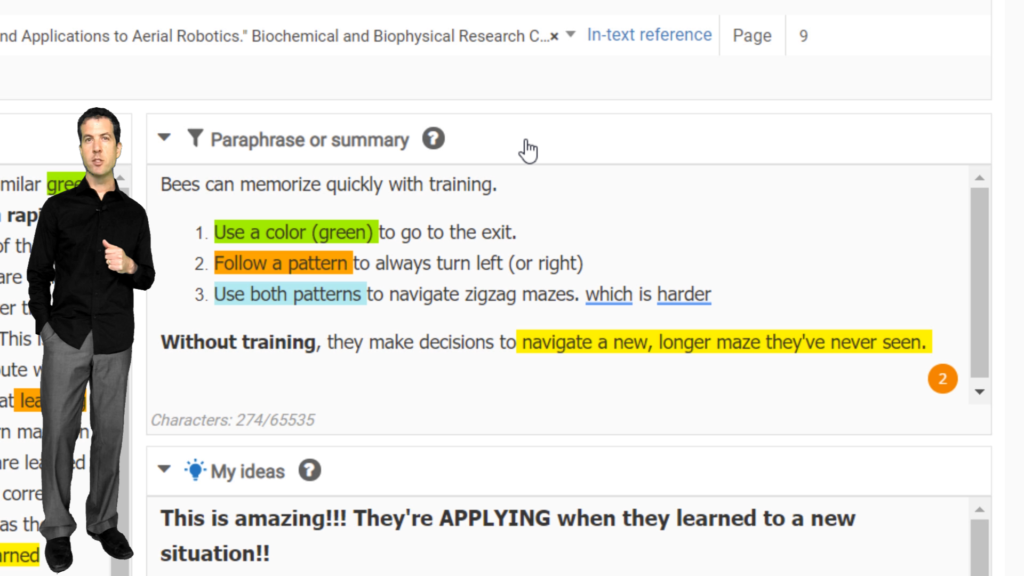
Research becomes much easier when every idea has a clearly documented origin. Noodle Tools allows users to connect notes directly to individual sources, making it simple to remember where each quotation, statistic, or observation originated.
Instead of storing disconnected notes in separate documents, writers can categorize information according to themes, arguments, or chapters. This organization speeds up the drafting process because evidence is already grouped logically.
The ability to track sources also reduces accidental plagiarism. Since quotations and paraphrased ideas remain linked to their original references, writers can confidently acknowledge every source used in their work.
How Noodle Tools Supports the Writing Process
From Brainstorming to Final Draft
Strong academic writing begins long before the first sentence is written. Noodle Tools recognizes this by supporting the planning stage as thoroughly as the writing stage.
Users can develop research questions, collect preliminary sources, write observations, and gradually build structured outlines. As new evidence appears, ideas can be reorganized without disrupting the entire project. This flexibility makes the writing process feel more manageable, especially for lengthy assignments.
Once drafting begins, previously organized notes become valuable building blocks. Instead of searching through dozens of browser tabs or scattered notebooks, writers can quickly locate supporting evidence exactly where they stored it.
Encouraging Critical Thinking
One of the platform’s less obvious benefits is its encouragement of thoughtful analysis. Simply collecting information does not produce a strong paper. Writers must compare viewpoints, evaluate evidence, identify patterns, and construct logical arguments.
Noodle Tools supports this deeper level of thinking by allowing users to organize notes into categories, attach comments, and develop relationships between different sources. This transforms research from information gathering into meaningful analysis.
Students often discover gaps in their arguments during this process, giving them an opportunity to locate stronger evidence before completing the paper. The result is usually a more coherent and persuasive final draft.
Benefits for Students, Teachers, and Researchers

Helping Students Gain Confidence
Many students feel overwhelmed when beginning large research assignments. Citation rules appear confusing, source organization becomes messy, and deadlines quickly approach. Noodle Tools helps reduce this anxiety by providing a structured environment where every stage of the project has its place.
Rather than worrying about losing sources or forgetting publication details, students can focus more attention on understanding their topic. This shift allows them to spend more time developing original ideas instead of fixing formatting mistakes at the last minute.
The platform also teaches responsibility. Students learn that accurate citations are not simply academic requirements—they are part of ethical scholarship that respects the work of other authors.
Supporting Educators and Collaborative Learning
Teachers benefit because the platform provides greater visibility into students’ research progress. Instead of only seeing the finished paper, instructors can review outlines, note-taking practices, and source selection throughout the assignment.
This ongoing insight allows educators to offer meaningful feedback before major problems develop. Students receive guidance while their projects are still evolving, making revisions more productive.
For collaborative assignments, shared workspaces help group members organize responsibilities more effectively. Everyone can contribute research, notes, and citations without creating multiple conflicting versions of the same project.
Best Practices for Getting the Most from Noodle Tools
Develop Consistent Research Habits
The greatest benefits come from using Noodle Tools throughout the entire research process rather than only at the end. Adding sources immediately after finding them saves considerable time later and prevents forgotten references.
It’s equally useful to write notes while reading instead of relying on memory. Recording impressions, important quotations, and personal observations helps preserve valuable insights that might otherwise be forgotten after reviewing dozens of sources.
Organizing materials into logical categories early also makes writing significantly smoother. Whether the project is divided by themes, historical periods, scientific concepts, or argumentative points, thoughtful organization simplifies every later stage.
Verify Information and Stay Organized
Although Noodle Tools automates much of the citation process, users should still review every citation carefully. Missing publication details, incorrect author names, or incomplete source information can affect citation accuracy regardless of the software being used.
Maintaining descriptive note titles, using consistent categories, and regularly reviewing collected materials also improves efficiency. Small organizational habits often save hours during the final stages of writing.
Most importantly, users should remember that the platform is a research assistant rather than a substitute for careful thinking. Strong arguments still depend on critical reading, thoughtful analysis, and original interpretation.
Conclusion
Noodle Tools has established itself as far more than a citation generator. It combines research organization, note management, source tracking, outlining, and citation creation into a single workspace that supports every stage of academic writing. By encouraging thoughtful research habits and providing practical organizational tools, it helps writers produce work that is both well-documented and carefully developed.
Students benefit from greater confidence and reduced confusion, educators gain better insight into research progress, and researchers enjoy a more organized workflow. While no software can replace careful analysis or original thinking, Noodle Tools removes many of the logistical challenges that often interrupt the writing process.
Whether preparing a short classroom assignment or managing an extensive research project, using Noodle Tools consistently can make research more organized, writing more efficient, and citations more accurate. The platform ultimately supports the goal that matters most: helping writers communicate well-supported ideas with clarity and academic integrity.
Frequently Asked Questions (FAQs)
1. What is Noodle Tools used for?
Noodle Tools is an online research platform that helps users organize sources, create citations, take notes, build outlines, and manage academic writing projects.
2. Is Noodle Tools only for students?
No. While it is widely used in schools and universities, educators, librarians, researchers, and professional writers can also benefit from its research management features.
3. Which citation styles does Noodle Tools support?
It supports major citation styles, including MLA, APA, and Chicago, along with updates as citation guidelines evolve.
4. Can Noodle Tools help prevent plagiarism?
Yes. By linking notes directly to their original sources and helping users create proper citations, it reduces the risk of accidentally using unattributed material.
5. Does Noodle Tools generate bibliographies automatically?
Yes. After users enter accurate source information, the platform can generate properly formatted bibliographies according to the selected citation style.
6. Can multiple people work on the same project?
Yes. Many educational subscriptions include collaboration features that allow students and instructors to work together on shared research projects.
7. Is Noodle Tools suitable for long research papers?
Absolutely. Its note organization, outlining, citation management, and source tracking features are particularly useful for lengthy assignments such as dissertations, theses, and major research papers.
8. Does Noodle Tools replace the need to proofread citations?
No. Users should always review generated citations to ensure all source details are complete and correctly entered.
9. Can teachers monitor student research progress?
Yes. Many educational accounts allow instructors to review outlines, notes, citations, and project development before the final submission.
10. Why do many schools recommend Noodle Tools?
Schools value the platform because it teaches responsible research practices, promotes academic integrity, simplifies citation management, and helps students develop stronger organizational skills throughout the writing process.
