

Introduction
The idea of the world market goes far beyond buying and selling goods across borders. It represents a vast, interconnected system where economies, businesses, governments, and consumers interact in real time. A decision made in one part of the world can ripple through industries thousands of miles away, affecting prices, availability, and even employment opportunities. This level of connection has reshaped how nations grow and how individuals experience everyday life.
At its core, the world market reflects how deeply linked modern economies have become. From raw materials to finished products, from digital services to financial investments, nearly everything is influenced by global movement. Understanding this system helps reveal why certain trends emerge, why prices fluctuate, and how opportunities are created in unexpected places.
Understanding the World Market: A Living Global System
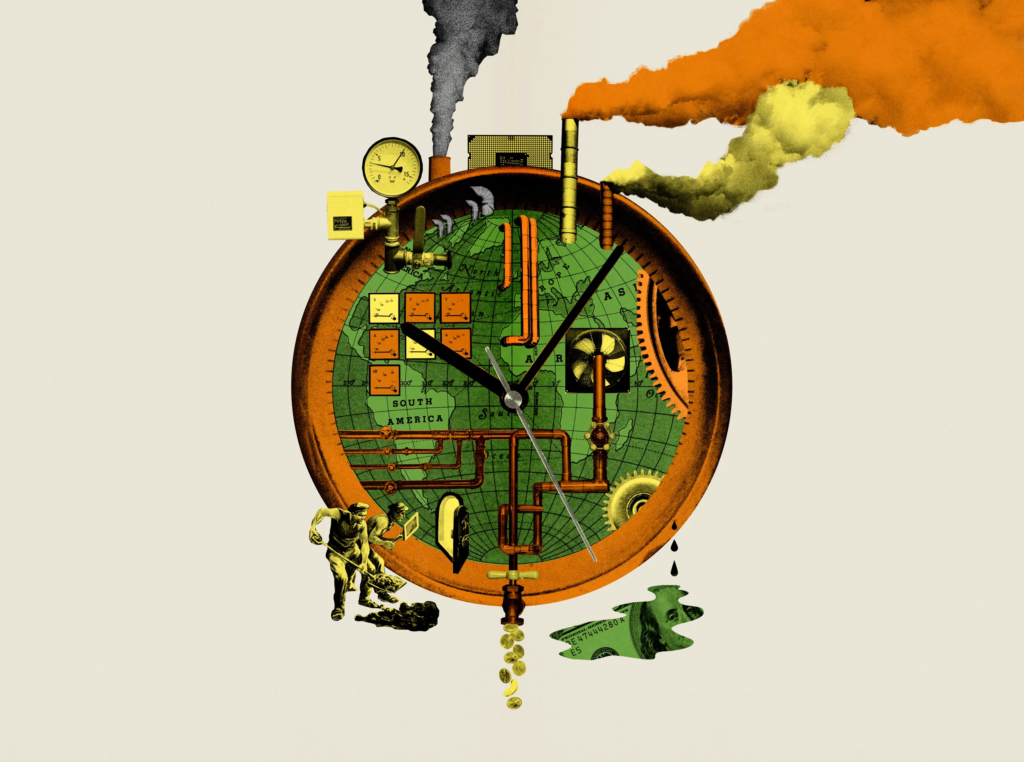
The world market is best understood as a constantly evolving network of exchange. It includes international trade, global finance, supply chains, and cross-border services. Unlike a single marketplace, it functions like a massive ecosystem where each participant plays a role in maintaining balance and flow.
What makes it unique is its interdependence. A disruption in one region—whether political, environmental, or economic—can influence production and consumption globally. For example, a shortage of raw materials in one country can slow down manufacturing in another, ultimately affecting consumers worldwide.
At the same time, the world market is not static. It adapts quickly to technological changes, consumer demand, and policy shifts. New industries emerge, old ones evolve, and trade routes shift as countries negotiate better agreements or develop stronger infrastructure. This constant movement is what keeps the global economy alive and dynamic.
Another important aspect is the role of digital connectivity. Information now travels instantly, allowing businesses to react faster than ever before. This has reduced traditional barriers and opened doors for smaller economies to participate in global trade more effectively.
The result is a system that behaves less like a fixed structure and more like a living organism—responsive, adaptive, and continuously shaped by countless forces.
Key Drivers That Shape the World Market
Several powerful forces determine how the world market behaves at any given time. One of the most influential is supply and demand. When demand for a product rises globally, production scales up, often shifting manufacturing hubs to regions where costs are lower or resources are more accessible.
Another major driver is technological innovation. Advances in transportation, communication, and production methods have dramatically reduced the time and cost required to move goods and services across borders. This has allowed businesses to expand their reach and operate on a truly global scale.
Economic policies also play a crucial role. Trade agreements, tariffs, taxes, and regulatory frameworks can either encourage or restrict international exchange. Countries often adjust these policies to protect local industries or strengthen economic partnerships.
Beyond economics, geopolitical stability has a strong influence. Regions experiencing conflict or political uncertainty often see reduced investment and trade activity, while stable regions attract global business opportunities. Investors tend to favor predictable environments where risks are lower.
Together, these drivers create a complex web of influences that constantly shape how the world market behaves. No single factor operates in isolation; instead, they interact and evolve together, producing continuous shifts in global commerce.
How Global Trade and Supply Chains Interconnect Economies
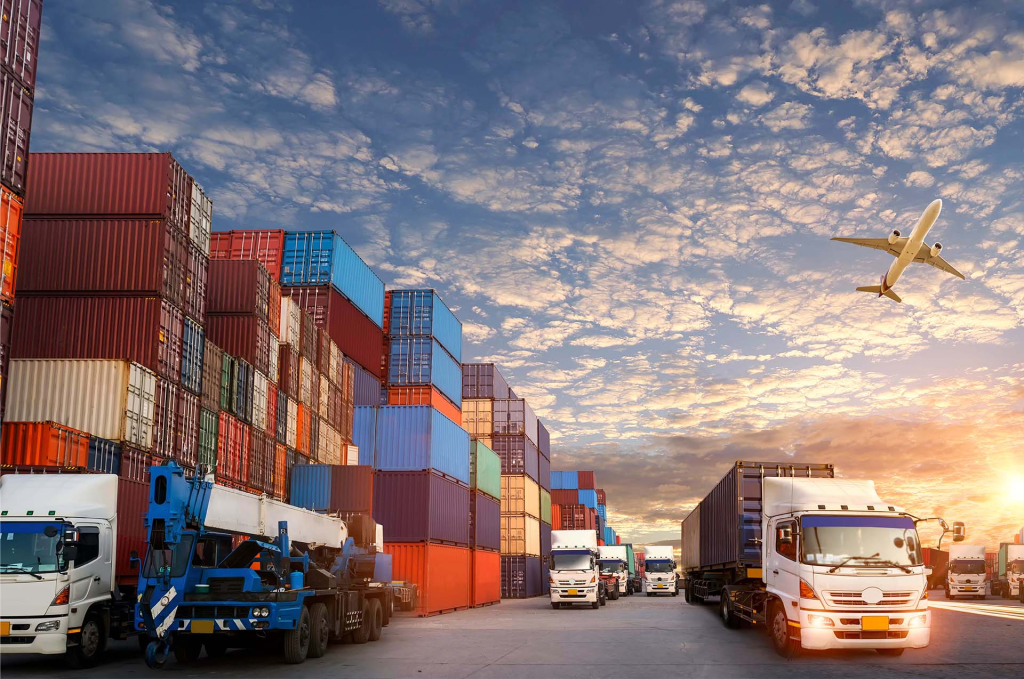
Global trade is the backbone of the world market. It allows countries to specialize in producing goods and services where they have advantages, whether due to resources, labor, or technology. These goods are then exchanged across borders, creating a balanced flow of economic activity.
Supply chains make this system possible. A single product often involves multiple countries before reaching the consumer. Raw materials might come from one region, manufacturing from another, and assembly from yet another. This interconnected process highlights how deeply economies rely on one another.
However, this interconnectedness also creates vulnerability. If one part of the supply chain is disrupted, the entire system can feel the impact. Natural disasters, shipping delays, or labor shortages can slow production globally, leading to price changes and reduced availability.
Despite these challenges, global trade continues to expand because of its efficiency. It allows businesses to reduce costs, access better resources, and reach wider markets. Consumers also benefit from greater variety and often lower prices, making international trade an essential part of modern life.
The result is a tightly woven economic structure where countries are no longer isolated producers but active participants in a shared global system.
Opportunities and Risks Within the World Market
The world market creates significant opportunities for growth. Businesses can scale beyond local boundaries, reaching international audiences and tapping into new consumer bases. This expansion often leads to innovation, as companies adapt their products and services to suit diverse markets.
For developing economies, participation in the global market can bring investment, infrastructure development, and job creation. Access to international trade allows these regions to improve living standards and strengthen their economic foundations.
However, these opportunities come with risks. One major concern is economic dependency. Countries that rely heavily on exports or imports can become vulnerable to global price fluctuations or trade restrictions. A sudden change in demand or policy can significantly affect their economies.
Another challenge is inequality. While some regions benefit greatly from global trade, others may struggle to compete due to limited resources or infrastructure. This imbalance can widen economic gaps between nations.
Environmental impact is also a growing concern. Increased production and transportation contribute to carbon emissions and resource consumption. As global demand rises, balancing economic growth with sustainability becomes more urgent.
Navigating these opportunities and risks requires careful planning, cooperation, and adaptability from governments and businesses alike.
The Future of the World Market in a Rapidly Changing Era
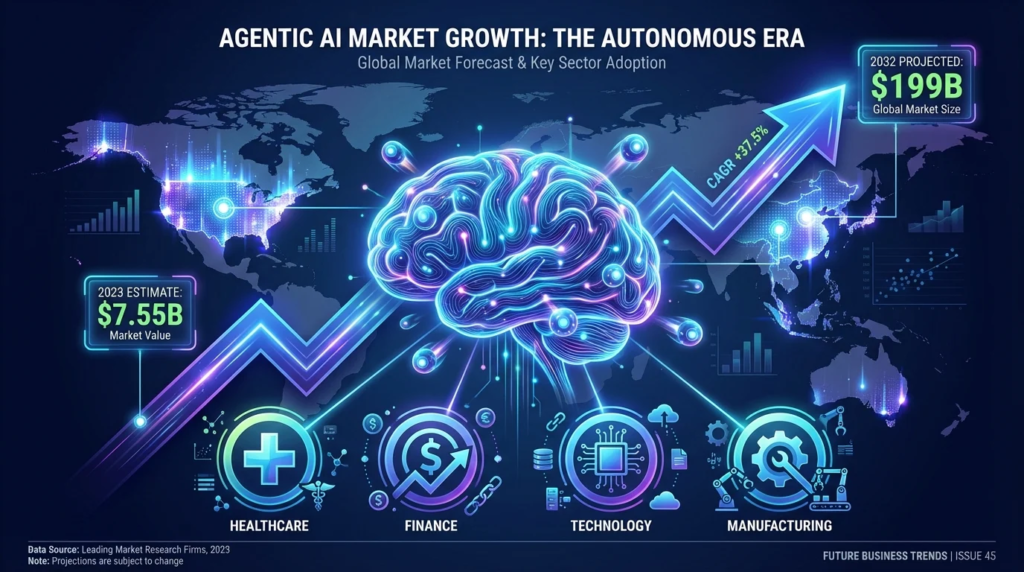
The world market is entering a phase of rapid transformation driven by technology and shifting global priorities. Automation, artificial intelligence, and digital platforms are reshaping how goods and services are produced and delivered. These innovations are increasing efficiency while also changing traditional job structures.
At the same time, globalization is becoming more complex. While international trade remains strong, some regions are focusing on strengthening local production to reduce dependency on external supply chains. This balance between global and local systems is reshaping trade strategies worldwide.
Sustainability is also becoming a central focus. Businesses and governments are increasingly prioritizing environmentally responsible practices. Renewable energy, ethical sourcing, and reduced emissions are influencing how companies operate within the world market.
Consumer behavior is evolving as well. People are more informed and selective, often favoring transparency and quality over mass production. This shift is encouraging businesses to adapt their strategies and rethink how value is delivered.
The future world market will likely be more digital, more sustainable, and more interconnected than ever before. However, it will also require greater resilience to handle disruptions and maintain stability in an unpredictable global environment.
Conclusion
The world market represents one of the most powerful systems shaping modern life. It connects nations, drives innovation, and influences the everyday choices of billions of people. From trade routes to digital platforms, its reach extends into nearly every aspect of economic activity.
While it offers immense opportunities for growth and collaboration, it also demands awareness of risks, dependencies, and long-term sustainability. Understanding how it functions provides valuable insight into the forces that shape prices, industries, and global relationships.
As the world continues to evolve, the world market will remain at the center of economic transformation, adapting and expanding alongside human progress.
FAQs
1. What is the world market?
The world market refers to the global system of trade and exchange where countries buy and sell goods, services, and resources across borders.
2. Why is the world market important?
It enables countries to access goods they cannot produce locally and supports economic growth through international trade and investment.
3. How does global trade affect the world market?
Global trade connects economies, allowing products and services to move across countries and creating interdependence between nations.
4. What factors influence the world market?
Supply and demand, technology, government policies, and geopolitical stability all play major roles in shaping it.
5. How do supply chains fit into the world market?
Supply chains connect different countries in the production process, ensuring goods are manufactured and delivered efficiently.
6. What risks exist in the world market?
Risks include economic dependency, price volatility, supply disruptions, and environmental challenges.
7. How does technology impact the world market?
Technology improves communication, speeds up trade, and enables businesses to operate globally with greater efficiency.
8. Can developing countries benefit from the world market?
Yes, they can attract investment, create jobs, and expand their economies through international trade participation.
9. Is the world market stable?
It is generally stable but constantly changing due to political events, economic shifts, and global disruptions.
10. What is the future of the world market?
It is expected to become more digital, sustainable, and interconnected, with stronger emphasis on resilience and innovation.
